Search This Blog

Tuesday, April 8, 2025

Second Cold War

From Wikipedia, the free encyclopedia

A Second Cold War, Cold War II, or the New Cold War has been used to describe heightened geopolitical tensions in the 21st century, usually between, on one side, the United States and, on the other, either China or Russia—the latter of which is the successor state of the Soviet Union, which led the Eastern Bloc during the original Cold War.

The terms are sometimes used to describe tensions in multilateral relations, including the China–Russia relations. Some commentators have used them as a comparison to the original Cold War, while others have discouraged their use to refer to any ongoing tensions.

Distinction to Cold War (1979–1985)

Two of the earliest uses of the phrase “new Cold War” were in 1955 by Secretary of State John Foster Dulles and in 1956 when The New York Times warned that Soviet propaganda was promoting a return of the Cold War. Other past sources, such as academics Fred Halliday, Alan M. Wald, David S. Painter, and Noam Chomsky, used the interchangeable terms to refer to the 1979–1985 and/or 1985–1991 phases of the Cold War. Some other sources used similar terms to refer to the Cold War of the mid-1970s. Columnist William Safire argued in a 1975 New York Times editorial that the Nixon administration's policy of détente with the Soviet Union had failed and that "Cold War II" was then underway.

Academic Gordon H. Chang used the term "Cold War II" to refer to the Cold War period after the 1972 meeting in China between US President Richard Nixon and Chinese Communist Party chairman Mao Zedong.

Usage in the context of foreshadowing

In May 1998, George Kennan described the US Senate vote to expand NATO to include Poland, Hungary, and the Czech Republic as "the beginning of a new cold war", and predicted that "the Russians will gradually react quite adversely and it will affect their policies".

In 2001, foreign policy and security experts James M. Lindsay and Ivo Daalder described counterterrorism as the "new Cold War".

British journalist Edward Lucas wrote in February 2008 that a new cold war between Russia and the West had already begun.

Usage in a multilateral context

In a 2016 op-ed for The Straits Times, Kor Kian Beng wrote that the phrase "new Cold War" between US-led allies versus Beijing and Moscow did not gain traction in China at first. This changed in 2016 after the United States announced its plan to deploy Terminal High Altitude Area Defence (THAAD) in South Korea against North Korea, but China and Russia found the advanced anti-missile system too close for comfort. The US also supported a tribunal ruling against China in favor of the Philippines in the South China Sea. Afterwards, the term "new Cold War" appeared in Chinese media more often. Analysts believe this does not reflect China's desire to pursue such a strategy but precautions should still be in place to lower the chances of any escalation.

In June 2019, University of Southern California (USC) professors Steven Lamy and Robert D. English agreed that the "new Cold War" would distract political parties from bigger issues such as globalization, global warming, global poverty, increasing inequality, and far-right populism. However, Lamy said that the new Cold War had not yet begun, while English said that it already had. English further said that China poses a far greater threat than Russia in cyberwarfare but not as much as far-right populism does from within liberal states like the US.

In his September 2021 speech to the United Nations General Assembly, US President Joe Biden said that the US is "not seeking a new Cold War or a world divided into rigid blocs." Biden further said that the US would cooperate "with any nation that steps up and pursues peaceful resolution to shared challenges," despite "intense disagreement in other areas, because we'll all suffer the consequences of our failure."

In May 2022, David Panuelo, President of the Federated States of Micronesia, used the term to state his opposition to a proposed cooperation agreement between China and ten island nations, by claiming it could create a "new 'cold war' between China and the west."

In June 2022, journalist Michael Hirsh used the term "[global] Cold War" to refer to tensions between leaders of NATO (North Atlantic Treaty Organization) and China and its ally Russia, both countries striving to challenge the US's role as a superpower. Hirsh further cited growing tensions between the US and China as one of the causes of the newer Cold War alongside NATO's speech about China's "systemic challenges to the rules-based international order and to areas relevant to alliance security". He further cited the Russian invasion of Ukraine in 2022 as one of factors of the newer Cold War's rise.

In July 2022, James Traub used the term while discussing how the ideas of the Non-Aligned Movement, a forum of neutral countries organized during the original Cold War, can be used to understand the reaction of democratic countries in the developing world to current tensions. In the same month France, the United States and Russia scheduled high-level, multi-country diplomatic visits in Africa. An article reporting on these trips used the term "new Cold War" in relation to what "some say is the most intense competition for influence [in Africa] since the [original] Cold War".

An article published in the July 2022 issue of the journal Intereconomics linked the possible "beginning of a new cold war between the West and the East" with "the rebirth of a new era of conflict, the end of the late 20th century unipolar international security architecture under the hegemony of the United States, [and] the end of globalisation".

In August 2022, an analysis article in the Israeli newspaper Haaretz used the term to refer to the US's "open confrontation with Russia and China". The article continues on to discuss the impact of the current situation on Israel, concluding that "in the new Cold War, [Israel] cannot allow itself to be neutral." In the same month, Katrina vanden Heuvel used the term while cautioning against what she perceived as a "reflexive bipartisan embrace of a new Cold War" against Russia and China among US politicians.

In September 2022, a Greek civil engineer and politician Anna Diamantopoulou further stated, despite unity of NATO members, "the West has lost much of its normative power," citing her "meetings with politicians from Africa, Latin America, and the Middle East." She further stated that the West will risk losing "a new cold war" unless it overcomes challenges that would give Russia and China a greater world advantage. She further gave suggestions to the Western powers, including the European Union.

In September 2023, North Korean leader Kim Jong Un called for an accelerated increase in the production of domestic nuclear weapons in response to the world entering a "new Cold War" between the United States and a "coalition of nations" including China, Russia, and North Korea.

In December 2023, Gita Gopinath, first deputy managing director of the International Monetary Fund (IMF), warned that the deepening "fragmentation" between the two power blocs—one by the United States and European allies; another by China and Russia—would lead to "cold war two", impacting "gains from open trade" and risking potentially loss of up to US$7 trillion.

In The Diplomat June 2024 article, University of Bonn (Germany) professor Maximilian Mayer and Jagiellonian University (Poland) professor Emilian Kavalski opined that the China–Russia relations have been stronger than before and that Xi's China will "fully back Putin’s effort to threaten and undermine [Western] liberal democratic states", threatening European security and dashing any hopes that the relations between the two countries would become further strained. Mayer and Kavalski further criticised Europe for lacking "historical templates" and its "tripartite approach to China—as [its] partner, competitor, and rival—"as "woefully outdated because it [the approach] lacks a security angle altogether." Both the professors further advised Europe to address China's strong ties with and strong support for Russia's further aggressive plans toward Europe.

Usage in the context of China–United States tensions

The US senior defence official Jed Babbin, Yale University professor David Gelernter, Firstpost editor R. Jagannathan, Subhash Kapila of the South Asia Analysis Group, former Australian Prime Minister Kevin Rudd, and some other sources have used the term (occasionally using the term "Pacific Cold War") to refer to tensions between the United States and China in the 2000s and 2010s.

First Trump presidency (2017–2021)

Donald Trump, who was inaugurated as US president on 20 January 2017, had repeatedly said during his presidential campaign that he considered China a threat, a stance that heightened speculations of the possibility of a "new cold war with China". Claremont McKenna College professor Minxin Pei said that Trump's election win and "ascent to the presidency" may increase chances of the possibility. In March 2017, a self-declared socialist magazine Monthly Review said, "With the rise of the Trump administration, the new Cold War with Russia has been put on hold", and also said that the Trump administration has planned to shift from Russia to China as its main competitor.

In July 2018, Michael Collins, deputy assistant director of the CIA's East Asia mission center, told the Aspen Security Forum in Colorado that he believed China under paramount leader and general secretary Xi Jinping, while unwilling to go to war, was waging a "quiet kind of cold war" against the United States, seeking to replace the US as the leading global power. He further elaborated: "What they're waging against us is fundamentally a cold war — a cold war not like we saw during [the] Cold War (between the U.S. and the Soviet Union) but a cold war by definition". In October 2018, Hong Kong's Lingnan University professor Zhang Baohui told The New York Times that a speech by United States Vice-president Mike Pence at the Hudson Institute "will look like the declaration of a new Cold War".

In January 2019, Robert D. Kaplan of the Center for a New American Security wrote that "it is nothing less than a new cold war: The constant, interminable Chinese computer hacks of American warships’ maintenance records, Pentagon personnel records, and so forth constitute war by other means. This situation will last decades and will only get worse".

In February 2019, Joshua Shifrinson, an associate professor from Boston University, said concerns over a new cold war was "overblown", saying US-China relations were different from that of US–Soviet Union relations during the original Cold War, and that ideology would play a less prominent role in their bilateral relationship.

In June 2019, academic Stephen Wertheim called President Trump a "xenophobe" and criticised Trump's foreign policy toward China for heightening risks of a new Cold War, which Wertheim wrote "could plunge the United States back into gruesome proxy wars around the world and risk a still deadlier war among the great powers."

In August 2019, Yuan Peng of the China Institute of International Studies said that the financial crisis of 2007–2008 "initiated a shift in the global order." Yuan predicted the possibility of the new cold war between both countries and their global power competition turning "from 'superpower vs. major power' to 'No. 1 vs. No. 2'." On the other hand, scholar Zhu Feng said that their "strategic competition" would not lead to the new Cold War. Zhu said that the US–China relations have progressed positively and remained "stable", despite disputes in the South China Sea and Taiwan Strait and US President Trump's aggressive approaches toward China.

In January 2020, columnist and historian Niall Ferguson opined that China is one of the major players of this Cold War, whose powers are "economic rather than military", and that Russia's role is "quite small". Ferguson wrote: "[C]ompared with the 1950s, the roles have been reversed. China is now the giant, Russia the mean little sidekick. China under Xi remains strikingly faithful to the doctrine of Marx and Lenin. Russia under Putin has reverted to Tsarism." Ferguson wrote that this Cold War is different from the original Cold War because the US "is so intertwined with China" at the point where "decoupling" is as others argued "a delusion" and because "America's traditional allies are much less eager to align themselves with Washington and against Beijing." He further wrote that the new Cold War "shifted away from trade to technology" when both the US and China signed their Phase One trade deal.

In a February 2020 interview with The Japan Times, Ferguson suggested that, to "contain China", the US "work intelligently with its Asian and European allies", as the US had done in the original Cold War, rather than on its own and perform something more effective than "tariffs, which are a very blunt instrument." He also said that the US under Trump has been "rather poor" at making foreign relations.

On 24 May 2020, China Foreign Minister Wang Yi said that relations with the US were on the "brink of a new Cold War" after it was fueled by tensions over the COVID-19 pandemic.

In June 2020, Boston College political scientist Robert S. Ross wrote that the US and China "are destined to compete [but] not destined for violent conflict or a cold war." In July, Ross said that the Trump "administration would like to fully decouple from China. No trade, no cultural exchanges, no political exchanges, no cooperation on anything that resembles common interests."

In August 2020, a La Trobe University professor Nick Bisley wrote that the US–China rivalry "will be no Cold War" but rather will "be more complex, harder to manage, and last much longer." He further wrote that comparing the old Cold War to the ongoing rivalry "is a risky endeavour."

In September 2020, the UN Secretary General António Guterres warned that the increasing tensions between the US under Trump and China under Xi were leading to "a Great Fracture" which would become costly to the world. Xi Jinping replied by saying that "China has no intention to fight either a Cold War or a hot one with any country."

Biden presidency (2021–2025)

In March 2021, Columbia University professor Thomas J. Christensen wrote that the cold war between the US and China "is unlikely" in comparison to the original Cold War, citing China's prominence in the "global production chain" and absence of the authoritarianism vs. liberal democracy dynamic. Christensen further advised those concerned about the tensions between the two nations to research China's role in the global economy and its "foreign policy toward international conflicts and civil wars" between liberal and authoritarian forces.

In September 2021, former Portuguese defence and foreign minister Paulo Portas described the announcement of the AUKUS security pact and the ensuing unprecedented diplomatic crisis between the signatories (Australia, the United Kingdom, and the United States) and France (which has several territories in the Indo-Pacific) as a possible formal starting point of a new Cold War.

On 7 November 2021, President Joe Biden's national security adviser Jake Sullivan stated that the US does not pursue system change in China anymore, marking a clear break from the China policy pursued by previous US administrations. Sullivan said that the US is not seeking a new Cold War with China, but is looking for a system of peaceful coexistence.

In November 2021, Hal Brands and Yale professor John Lewis Gaddis wrote in Foreign Affairs that while it was no longer debatable that the United States and China has been entering into their "own new cold war," it was not clear that the world has also been following suit and entering into a new cold war.

According to a poll done by Morning Consult, only 15 percent of US respondents and 16 percent of Chinese respondents think the countries are in a cold war, with most rather categorizing it as a competition.

In August 2022, the Chinese Ministry of Foreign Affairs released a statement condemning US House speaker Nancy Pelosi's visit to Taiwan. This statement demanded, among other things, that the US "not seek a 'new Cold War'".

Joe Biden and Xi Jinping smiling and shaking hands
Joe Biden and Xi Jinping at the G20 Summit in Bali, 2022

Following a November 2022 meeting between Biden and Xi Jinping at the G20 summit in Bali, Biden told reporters that "there need not be a new Cold War".

In a December 2022 editorial published just before being elected US House speaker, Kevin McCarthy wrote that "China and the US are locked in a cold war." The op-ed also announced the creation of the House Select Committee on Strategic Competition between the United States and the Chinese Communist Party.

In early 2023, Jorge Heine, former Chilean ambassador to China and professor of international relations at Boston University, said the looming new Cold War between the US and China has become apparent to "a growing consensus", and described the new Cold War as "more alike than [it is] different" from the one fought between the US and Soviet Union, and saying the presence of "ideological-military overtones is now widely accepted."

Second Trump presidency (2025–present)

In early May 2022, Hoover Institution senior fellow Niall Ferguson said at the Milken Institute Global Conference that "Cold War II began some time ago". In January 2025, Ferguson wrote that the US has had "a second cold war" with China for at least six years and that the war further intensified under the Biden administration. Ferguson drew comparisons between Trump and then-US President Ronald Reagan, like assassination attempts on them, but further suggested that Trump use the Reagan administration's past approach in foreign policy.

In early February 2025, Michael McFaul, a Stanford University political science professor and former US ambassador to Russia from 2012 to 2014, wrote via The Dispatch that Trump still viewed China as a major rival during his second term. McFaul criticised the second Trump administration for risking its chances to win "Cold War 2.0". He further criticised the administration's foreign policy decisions—for example, calling Canada a potential 51st state candidate, announcing possibility of obtaining Greenland from a NATO ally Denmark by either sale or military force, and attempts to shut down United States Agency for International Development (USAID)—for giving China and its ally Russia more advantage and risking ties with longtime US allies. McFaul further wrote, "We will not be able to win Cold War 2.0 on our own."

Usage in the context of Russia–United States tensions

Some have used the term to describe the worsening relations between Russia on one side and the West or NATO or, more specifically, the United States on the other since Russia's 2014 annexation of Crimea and intervention in Eastern Ukraine, which started the Russo-Ukrainian conflict. Others argue that the term is not appropriate.

Debate over the term

Sergey Lavrov, the Russian Foreign Minister since 2004, has expressed criticism towards the use of the term "new cold war" on multiple occasions.

Sources disagree as to whether a period of global tension analogous to the Cold War is possible in the future, while others have used the term to describe the ongoing renewed tensions, hostilities, and political rivalries that intensified dramatically in 2014 between Russia, the United States and their respective allies.

Stephen F. Cohen, Robert D. Crane, and Alex Vatanka have all referred to a "US–Russian Cold War".

Sources opposed to the term argue that while new tensions between Russia and the West have similarities with those during the Cold War, there are also major differences, and provide Russia with new avenues for exerting influence, such as in Belarus and Central Asia, which have not seen the type of direct military action in which Russia engaged in less cooperative former Soviet states like Ukraine and the Caucasus region.

In June 2014, the Ministry of Defense of North Macedonia published an article asserting that the term "Cold War II" was as a misnomer.

In February 2016, at the Munich Security Conference, NATO Secretary General Jens Stoltenberg said that NATO and Russia were "not in a cold-war situation but also not in the partnership that we established at the end of the Cold War", while Russian Prime Minister Dmitry Medvedev, speaking of what he called NATO's "unfriendly and opaque" policy on Russia, said "One could go as far as to say that we have slid back to a new Cold War". In October 2016 and March 2017, Stoltenberg said that NATO did not seek "a new Cold War" or "a new arms race" with Russia.

In February 2016, a Higher School of Economics university academic and Harvard University visiting scholar Yuval Weber wrote on E-International Relations that "the world is not entering Cold War II", asserting that the current tensions and ideologies of both sides are not similar to those of the original Cold War, that situations in Europe and the Middle East do not destabilise other areas geographically, and that Russia "is far more integrated with the outside world than the Soviet Union ever was".

In September 2016, when asked if he thought the world had entered a new cold war, Russian Foreign Minister, Sergey Lavrov, argued that current tensions were not comparable to the Cold War. He noted the lack of an ideological divide between the United States and Russia, saying that conflicts were no longer ideologically bipolar.

In August 2016, Daniel Larison of The American Conservative magazine wrote that tensions between Russia and the United States would not "constitute a 'new Cold War'" especially between democracy and authoritarianism, which Larison found more limited than and not as significant in 2010s as that of the Soviet-Union era. Andrew Kuchins, an American political scientist and Kremlinologist speaking in December 2016, believed the term was "unsuited to the present conflict" as it may be more dangerous than the Cold War.

In August 2017, Russian Deputy Foreign Minister Sergei Ryabkov denied claims that the US and Russia were having another cold war, despite ongoing tensions between the two countries and newer US sanctions against Russia. A University of East Anglia graduate student Oliver Steward and the Casimir Pulaski Foundation senior fellow Stanisław Koziej in 2017 attributed Zapad 2017 exercise, a military exercise by Russia, as part of the new Cold War.

In March 2018, Russian President Vladimir Putin told journalist Megyn Kelly in an interview: "My point of view is that the individuals that have said that a new Cold War has started are not analysts. They do propaganda." Michael Kofman, a senior Research Scientist at the CNA Corporation and a fellow at the Wilson Center's Kennan Institute said that the new cold war for Russia "is about its survival as a power in the international order, and also about holding on to the remnants of the Russian empire". Lyle Goldstein, a research professor at the US Naval War College claims that the situations in Georgia and Ukraine "seemed to offer the requisite storyline for new Cold War". Also in March 2018, Harvard University professors Stephen Walt and then Odd Arne Westad criticized the application of the term to increasing tensions between Russia and the West as "misleading", "distract[ing]", and too simplistic to describe the more complicated contemporary international politics.

In October 2018, Russian military analyst Pavel Felgenhauer told Deutsche Welle that the new Cold War would make the Intermediate-Range Nuclear Forces (INF) Treaty and other Cold War-era treaties "irrelevant because they correspond to a totally different world situation." In February 2019, Russian Foreign Minister Sergey Lavrov stated that the withdrawal from the INF treaty would not lead to "a new Cold War".

Russian news agency TASS reported the Russian Foreign Minister Sergei Lavrov saying "I don't think that we should talk about a new Cold War", adding that the US development of low-yield nuclear warheads (the first of which entered production in January 2019) had increased the potential for the use of nuclear weapons.

In July 2024, after the United States announced its intention to deploy long-range missiles in Germany from 2026, Kremlin spokesperson Dmitry Peskov told a reporter of a Russian state-run television network, "We are taking steady steps towards the Cold War," and then said, "All the attributes of the Cold War with the direct confrontation are returning."

Middle East conflicts

In 2013, Michael Klare compared in RealClearPolitics tensions between Russia and the West to the ongoing proxy conflict between Saudi Arabia and Iran. Oxford Professor Philip N. Howard argued that a new cold war was being fought via the media, information warfare, and cyberwar.

Some observers, including Syrian President Bashar al-Assad, judged the Syrian civil war to be a proxy war between Russia and the United States, and even a "proto-world war". In January 2016, senior UK government officials were reported to have registered their growing fears that "a new cold war" was now unfolding in Europe: "It really is a new Cold War out there. Right across the EU we are seeing alarming evidence of Russian efforts to unpick the fabric of European unity on a whole range of vital strategic issues".

In April 2018, relations deteriorated over a potential US-led military strike in Middle East after the Douma chemical attack in Syria, which was attributed to the Syrian Army by rebel forces in Douma, and poisoning of the Skripals in the UK. The Secretary-General of the United Nations, António Guterres, told a meeting of the UN Security Council that "the Cold War was back with a vengeance". He suggested the dangers were even greater, as the safeguards that existed to manage such a crisis "no longer seem to be present". Dmitri Trenin supported Guterres' statement, but added that it began in 2014 and had been intensifying since, resulting in US-led strikes on the Syrian government on 13 April 2018.

In February 2022, journalist Marwan Bishara held the US and Russia responsible for pursuing "their own narrow interests", including then-US President Trump's recognition of Jerusalem as capital of Israel as well as Putin's Russian invasion of Ukraine, and for "pav[ing] the way for, well, another Cold War".

Russo-Ukrainian War

Some political analysts argue that Russia's 2014 annexation of Crimea, which started the Russo-Ukrainian conflict, marked the beginning of a new Cold War between Russia and the West or NATO. By August 2014, both sides had implemented economic, financial, and diplomatic sanctions upon each other: virtually all Western countries, led by the US and European Union, imposed punitive measures on Russia, which introduced retaliatory measures.

In 2014, notable figures such as Mikhail Gorbachev warned, against the backdrop of a confrontation between Russia and the West over the Russo-Ukrainian War, that the world was on the brink of a new cold war, or that it was already occurring. The American political scientist Robert Legvold also believes it started in 2013 during the Ukraine crisis. Others argued that the term did not accurately describe the nature of relations between Russia and the West.

In October 2016, John Sawers, a former MI6 chief, said he thought the world was entering an era that was possibly "more dangerous" than the Cold War, as "we do not have that focus on a strategic relationship between Moscow and Washington". Similarly, Igor Zevelev, a fellow at the Wilson Center, said that "it's not a Cold War [but] a much more dangerous and unpredictable situation". CNN opined: "It's not a new Cold War. It's not even a deep chill. It's an outright conflict".

In January 2017, former US government adviser Molly K. McKew said at Politico that the US would win a new cold war. The New Republic editor Jeet Heer dismissed the possibility as "equally troubling[,] reckless threat inflation, wildly overstating the extent of Russian ambitions and power in support of a costly policy", and too centred on Russia while "ignoring the rise of powers like China and India". Heer also criticised McKew for suggesting the possibility. Jeremy Shapiro, a senior fellow in the Brookings Institution, wrote in his blog post at RealClearPolitics, referring to the US–Russia relations: "A drift into a new Cold War has seemed the inevitable result".

Speaking to the press in Berlin on 8 November 2019, a day before the 30th anniversary of the fall of the Berlin Wall, US Secretary of State Mike Pompeo warned of the dangers posed by Russia and China and specifically accused Russia, "led by a former KGB officer once stationed in Dresden", of invading its neighbours and crushing dissent. Jonathan Marcus of the BBC opined that Pompeo's words "appeared to be declaring the outbreak of a second [Cold War]".

On 24 February 2022 Russia launched a full-scale invasion of Ukraine and have forcibly occupied many territories within the nation since. Soon after, journalist H. D. S. Greenway cited the Russian invasion of Ukraine and 4 February joint statement between Russia and China (under Putin and Xi Jinping) as one of the signs that Cold War II had officially begun.

In March 2022, Yale historian Arne Westad and Harvard historian Fredrik Logevall in a videotelephony conversation asserted "that the global showdown over Ukraine" would "not signal a second Cold War". Furthermore, Westad said that Putin's words about Ukraine resembled, which Harvard journalist James F. Smith summarized, "some of the colonial racial arguments of imperial powers of the past, ideas from the late 19th and early 20th century rather than the Cold War".

In June 2022, journalist Gideon Rachman asserted the Russian invasion of Ukraine as the start of a second Cold War.

Comparison to the first Cold War

An academic Barry Buzan wrote in the International Politics journal article that, similar to the first Cold War, the Second Cold War is deterred from turning into a "hot" war between superpowers due to mutual assured destruction and nuclear deterrence with nuclear weapons. Buzan further determined that proxy wars and half-proxy wars are found in both first Cold War and Second Cold War.

Historian Antony Beevor stated in October 2022 that "it is no longer [about] the old divide between left and right" but rather "a change in the direction of autocracy versus democracy", a change made apparent by the Russian invasion of Ukraine; in his opinion, this cold war is "much scarier" than the first, as "one of the most worrying aspects" of the new cold war is a total disregard for diplomatic agreements. Niall Ferguson said "Cold War II is different, because in Cold War II, China's the senior partner, and Russia's the junior partner", and "in Cold War II, the first hot war breaks out in Europe, rather than Asia."

Another difference is the higher economic interdependence at the beginning of the Second Cold War, as stated in a September 2023 journal article of Geopolitics.

Monday, April 7, 2025

Relative permittivity

From Wikipedia, the free encyclopedia
Relative permittivities of some materials at room temperature under 1 kHz
Material εr
Vacuum 1 (by definition)
Air 1.00058986±0.00000050
(at STP, 900 kHz),
PTFE/Teflon 2.1
Polyethylene/XLPE 2.25
Polyimide 3.4
Polypropylene 2.2–2.36
Polystyrene 2.4–2.7
Carbon disulfide 2.6
BoPET 3.1
Paper, printing 1.4 (200 kHz)
Electroactive polymers 2–12
Mica 3–6
Silicon dioxide 3.9
Sapphire 8.9–11.1 (anisotropic)
Concrete 4.5
Pyrex (glass) 4.7 (3.7–10)
Neoprene 6.7
Natural rubber 7
Diamond 5.5–10
Salt 3–15
Melamine resin 7.2–8.4
Graphite 10–15
Silicone rubber 2.9–4
Silicon 11.68
GaAs 12.4
Silicon nitride 7–8 (polycrystalline, 1 MHz)
Ammonia 26, 22, 20, 17 (−80, −40, 0, +20 °C)
Methanol 30
Ethylene glycol 37
Furfural 42.0
Glycerol 41.2, 47, 42.5 (0, 20, 25 °C)
Water 87.9, 80.2, 55.5
(0, 20, 100 °C)
for visible light: 1.77
Hydrofluoric acid 175, 134, 111, 83.6
(−73, −42, −27, 0 °C),
Hydrazine 52.0 (20 °C),
Formamide 84.0 (20 °C)
Sulfuric acid 84–100 (20–25 °C)
Hydrogen peroxide 128 aqueous–60
(−30–25 °C)
Hydrocyanic acid 158.0–2.3 (0–21 °C)
Titanium dioxide 86–173
Strontium titanate 310
Barium strontium titanate 500
Barium titanate 1200–10,000 (20–120 °C)
Lead zirconate titanate 500–6000
Conjugated polymers 1.8–6 up to 100,000
Calcium copper titanate >250,000
Temperature dependence of the relative static permittivity of water

The relative permittivity (in older texts, dielectric constant) is the permittivity of a material expressed as a ratio with the electric permittivity of a vacuum. A dielectric is an insulating material, and the dielectric constant of an insulator measures the ability of the insulator to store electric energy in an electrical field.

Permittivity is a material's property that affects the Coulomb force between two point charges in the material. Relative permittivity is the factor by which the electric field between the charges is decreased relative to vacuum.

Likewise, relative permittivity is the ratio of the capacitance of a capacitor using that material as a dielectric, compared with a similar capacitor that has vacuum as its dielectric. Relative permittivity is also commonly known as the dielectric constant, a term still used but deprecated by standards organizations in engineering as well as in chemistry.

Definition

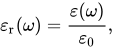
Relative permittivity is typically denoted as εr(ω) (sometimes κ, lowercase kappa) and is defined as

where ε(ω) is the complex frequency-dependent permittivity of the material, and ε0 is the vacuum permittivity.

Relative permittivity is a dimensionless number that is in general complex-valued; its real and imaginary parts are denoted as:

The relative permittivity of a medium is related to its electric susceptibility, χe, as εr(ω) = 1 + χe.

In anisotropic media (such as non cubic crystals) the relative permittivity is a second rank tensor.

The relative permittivity of a material for a frequency of zero is known as its static relative permittivity.

Terminology

The historical term for the relative permittivity is dielectric constant. It is still commonly used, but has been deprecated by standards organizations, because of its ambiguity, as some older reports used it for the absolute permittivity ε. The permittivity may be quoted either as a static property or as a frequency-dependent variant, in which case it is also known as the dielectric function. It has also been used to refer to only the real component εr of the complex-valued relative permittivity.

Physics

In the causal theory of waves, permittivity is a complex quantity. The imaginary part corresponds to a phase shift of the polarization P relative to E and leads to the attenuation of electromagnetic waves passing through the medium. By definition, the linear relative permittivity of vacuum is equal to 1, that is ε = ε0, although there are theoretical nonlinear quantum effects in vacuum that become non-negligible at high field strengths.

The following table gives some typical values.

Low-frequency relative permittivity of some common solvents
Solvent Relative permittivity Temperature
C6H6 benzene 2.3 298 K (25 °C)
Et2O diethyl ether 4.3 293 K (20 °C)
(CH2)4O tetrahydrofuran (THF) 7.6 298 K (25 °C)
CH2Cl2 dichloromethane 9.1 293 K (20 °C)
NH3(liq) liquid ammonia 17 273 K (0 °C)
C2H5OH ethanol 24.3 298 K (25 °C)
CH3OH methanol 32.7 298 K (25 °C)
CH3NO2 nitromethane 35.9 303 K (30 °C)
HCONMe2 dimethyl formamide (DMF) 36.7 298 K (25 °C)
CH3CN acetonitrile 37.5 293 K (20 °C)
H2O water 78.4 298 K (25 °C)
HCONH2 formamide 109 293 K (20 °C)

The relative low frequency permittivity of ice is ~96 at −10.8 °C, falling to 3.15 at high frequency, which is independent of temperature. It remains in the range 3.12–3.19 for frequencies between about 1 MHz and the far infrared region.

Measurement

The relative static permittivity, εr, can be measured for static electric fields as follows: first the capacitance of a test capacitor, C0, is measured with vacuum between its plates. Then, using the same capacitor and distance between its plates, the capacitance C with a dielectric between the plates is measured. The relative permittivity can be then calculated as

For time-variant electromagnetic fields, this quantity becomes frequency-dependent. An indirect technique to calculate εr is conversion of radio frequency S-parameter measurement results. A description of frequently used S-parameter conversions for determination of the frequency-dependent εr of dielectrics can be found in this bibliographic source. Alternatively, resonance based effects may be employed at fixed frequencies.

Applications

Energy

The relative permittivity is an essential piece of information when designing capacitors, and in other circumstances where a material might be expected to introduce capacitance into a circuit. If a material with a high relative permittivity is placed in an electric field, the magnitude of that field will be measurably reduced within the volume of the dielectric. This fact is commonly used to increase the capacitance of a particular capacitor design. The layers beneath etched conductors in printed circuit boards (PCBs) also act as dielectrics.

Communication

Dielectrics are used in radio frequency (RF) transmission lines. In a coaxial cable, polyethylene can be used between the center conductor and outside shield. It can also be placed inside waveguides to form filters. Optical fibers are examples of dielectric waveguides. They consist of dielectric materials that are purposely doped with impurities so as to control the precise value of εr within the cross-section. This controls the refractive index of the material and therefore also the optical modes of transmission. However, in these cases it is technically the relative permittivity that matters, as they are not operated in the electrostatic limit.

Environment

The relative permittivity of air changes with temperature, humidity, and barometric pressure. Sensors can be constructed to detect changes in capacitance caused by changes in the relative permittivity. Most of this change is due to effects of temperature and humidity as the barometric pressure is fairly stable. Using the capacitance change, along with the measured temperature, the relative humidity can be obtained using engineering formulas.

Chemistry

The relative static permittivity of a solvent is a relative measure of its chemical polarity. For example, water is very polar, and has a relative static permittivity of 80.10 at 20 °C while n-hexane is non-polar, and has a relative static permittivity of 1.89 at 20 °C. This information is important when designing separation, sample preparation and chromatography techniques in analytical chemistry.

The correlation should, however, be treated with caution. For instance, dichloromethane has a value of εr of 9.08 (20 °C) and is rather poorly soluble in water (13 g/L or 9.8 mL/L at 20 °C); at the same time, tetrahydrofuran has its εr = 7.52 at 22 °C, but it is completely miscible with water. In the case of tetrahydrofuran, the oxygen atom can act as a hydrogen bond acceptor; whereas dichloromethane cannot form hydrogen bonds with water.

This is even more remarkable when comparing the εr values of acetic acid (6.2528) and that of iodoethane (7.6177). The large numerical value of εr is not surprising in the second case, as the iodine atom is easily polarizable; nevertheless, this does not imply that it is polar, too (electronic polarizability prevails over the orientational one in this case).

Lossy medium

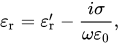
Again, similar as for absolute permittivity, relative permittivity for lossy materials can be formulated as:

in terms of a "dielectric conductivity" σ (units S/m, siemens per meter), which "sums over all the dissipative effects of the material; it may represent an actual [electrical] conductivity caused by migrating charge carriers and it may also refer to an energy loss associated with the dispersion of ε′ [the real-valued permittivity]". Expanding the angular frequency ω = 2πc / λ and the electric constant ε0 = 1 / μ0c2, which reduces to:

where λ is the wavelength, c is the speed of light in vacuum and κ = μ0c / 2π = 59.95849 Ω ≈ 60.0 Ω is a newly introduced constant (units ohms, or reciprocal siemens, such that σλκ = εr remains unitless).

Metals

Permittivity is typically associated with dielectric materials, however metals are described as having an effective permittivity, with real relative permittivity equal to one. In the high-frequency region, which extends from radio frequencies to the far infrared and terahertz region, the plasma frequency of the electron gas is much greater than the electromagnetic propagation frequency, so the refractive index n of a metal is very nearly a purely imaginary number. In the low frequency regime, the effective relative permittivity is also almost purely imaginary: It has a very large imaginary value related to the conductivity and a comparatively insignificant real-value.

Traumatic brain injury

From Wikipedia, the free encyclopedia
 
Traumatic brain injury
Other namesIntracranial injury, physically induced brain injury
CT scan showing cerebral contusions, hemorrhage within the hemispheres, and subdural hematoma. There is also displaced skull fracture of left transverse parietal and temporal bones.

SpecialtyNeurology, Neurosurgery, Pediatrics
SymptomsPhysical, cognitive, sensory, social, emotional, and behavioral symptoms
TypesMild to severe
CausesTrauma to the head
Risk factorsOld age, alcohol
Diagnostic methodBased on neurological exam, medical imaging
TreatmentBehavioral therapy, speech therapy

A traumatic brain injury (TBI), also known as an intracranial injury, is an injury to the brain caused by an external force. TBI can be classified based on severity ranging from mild traumatic brain injury (mTBI/concussion) to severe traumatic brain injury. TBI can also be characterized based on mechanism (closed or penetrating head injury) or other features (e.g., occurring in a specific location or over a widespread area). Head injury is a broader category that may involve damage to other structures such as the scalp and skull. TBI can result in physical, cognitive, social, emotional and behavioral symptoms, and outcomes can range from complete recovery to permanent disability or death.

Causes include falls, vehicle collisions and violence. Brain trauma occurs as a consequence of a sudden acceleration or deceleration within the cranium or by a complex combination of both movement and sudden impact. In addition to the damage caused at the moment of injury, a variety of events following the injury may result in further injury. These processes may include alterations in cerebral blood flow and pressure within the skull. Some of the imaging techniques used for diagnosis of moderate to severe TBI include computed tomography (CT) and magnetic resonance imaging (MRIs).

Prevention measures include use of seat belts and helmets, not drinking and driving, fall prevention efforts in older adults and safety measures for children. Depending on the injury, treatment required may be minimal or may include interventions such as medications, emergency surgery or surgery years later. Physical therapy, speech therapy, recreation therapy, occupational therapy and vision therapy may be employed for rehabilitation. Counseling, supported employment and community support services may also be useful.

TBI is a major cause of death and disability worldwide, especially in children and young adults. Males sustain traumatic brain injuries around twice as often as females. The 20th century saw developments in diagnosis and treatment that decreased death rates and improved outcomes.

Classification

Traumatic brain injury is defined as damage to the brain resulting from external mechanical force, such as rapid acceleration or deceleration, impact, blast waves, or penetration by a projectile. Brain function is temporarily or permanently impaired and structural damage may or may not be detectable with current technology.

TBI is one of two subsets of acquired brain injury (brain damage that occur after birth); the other subset is non-traumatic brain injury, which does not involve external mechanical force (examples include stroke and infection). All traumatic brain injuries are head injuries, but the latter term may also refer to injury to other parts of the head; however, the terms head injury and brain injury are often used interchangeably. Similarly, brain injuries fall under the classification of central nervous system injuries and neurotrauma. In neuropsychology research literature, in general the term "traumatic brain injury" is used to refer to non-penetrating traumatic brain injuries.

TBI is usually classified based on severity, anatomical features of the injury, and the mechanism (the causative forces). Mechanism-related classification divides TBI into closed and penetrating head injury. A closed (also called nonpenetrating, or blunt) injury occurs when the brain is not exposed. A penetrating, or open, head injury occurs when an object pierces the skull and breaches the dura mater, the outermost membrane surrounding the brain.

Severity

Severity of traumatic brain injury
  GCS PTA LOC
Mild 13–15 <1
day
0–30
minutes
Moderate 9–12 >1 to <7
days
>30 min to
<24 hours
Severe 3–8 >7 days >24
hours

Brain injuries can be classified into mild, moderate, and severe categories. The Glasgow Coma Scale (GCS), the most commonly used system for classifying TBI severity, grades a person's level of consciousness on a scale of 3–15 based on verbal, motor, and eye-opening reactions to stimuli. In general, it is agreed that a TBI with a GCS of 13 or above is mild, 9–12 is moderate, and 8 or below is severe. Similar systems exist for young children; however, the GCS grading system has limited ability to predict outcomes. Because of this, other classification systems such as the one shown in the table are also used to help determine severity. A current model developed by the Department of Defense and Department of Veterans Affairs uses all three criteria of GCS after resuscitation, duration of post-traumatic amnesia (PTA), and loss of consciousness (LOC). It also has been proposed to use changes that are visible on neuroimaging, such as swelling, focal lesions, or diffuse injury as method of classification.

Pathological features

CT scan showing spread of the subdural hematoma (single arrows), midline shift (double arrows)

Systems also exist to classify TBI by its pathological features. Lesions can be extra-axial, (occurring within the skull but outside of the brain) or intra-axial (occurring within the brain tissue). Damage from TBI can be focal or diffuse, confined to specific areas or distributed in a more general manner, respectively; however, it is common for both types of injury to exist in a given case.

Diffuse injury manifests with little apparent damage in neuroimaging studies, but lesions can be seen with microscopy techniques post-mortem, and in the early 2000s, researchers discovered that diffusion tensor imaging (DTI), a way of processing MRI images that shows white matter tracts, was an effective tool for displaying the extent of diffuse axonal injury. Types of injuries considered diffuse include edema (swelling), concussion and diffuse axonal injury, which is widespread damage to axons including white matter tracts and projections to the cortex.

Focal injuries often produce symptoms related to the functions of the damaged area. Research shows that the most common areas to have focal lesions in non-penetrating traumatic brain injury are the orbitofrontal cortex (the lower surface of the frontal lobes) and the anterior temporal lobes, areas that are involved in social behavior, emotion regulation, olfaction, and decision-making, hence the common social/emotional and judgment deficits following moderate-severe TBI. Symptoms such as hemiparesis or aphasia can also occur when less commonly affected areas such as motor or language areas are, respectively, damaged.

One type of focal injury, cerebral laceration, occurs when the tissue is cut or torn. Such tearing is common in orbitofrontal cortex in particular, because of bony protrusions on the interior skull ridge above the eyes. In a similar injury, cerebral contusion (bruising of brain tissue), blood is mixed among tissue. In contrast, intracranial hemorrhage involves bleeding that is not mixed with tissue.

Hematomas, also focal lesions, are collections of blood in or around the brain that can result from hemorrhage. Intracerebral hemorrhage, with bleeding in the brain tissue itself, is an intra-axial lesion. Extra-axial lesions include epidural hematoma, subdural hematoma, subarachnoid hemorrhage, and intraventricular hemorrhage. Epidural hematoma involves bleeding into the area between the skull and the dura mater, the outermost of the three membranes surrounding the brain. In subdural hematoma, bleeding occurs between the dura and the arachnoid mater. Subarachnoid hemorrhage involves bleeding into the space between the arachnoid membrane and the pia mater. Intraventricular hemorrhage occurs when there is bleeding in the ventricles.

Signs and symptoms

Unequal pupil size is potentially a sign of a serious brain injury.

Symptoms are dependent on the type of TBI (diffuse or focal) and the part of the brain that is affected. Unconsciousness tends to last longer for people with injuries on the left side of the brain than for those with injuries on the right. Symptoms are also dependent on the injury's severity. With mild TBI, the patient may remain conscious or may lose consciousness for a few seconds or minutes. Other symptoms of mild TBI include headache, vomiting, nausea, lack of motor coordination, dizziness, difficulty balancing, lightheadedness, blurred vision or tired eyes, ringing in the ears, bad taste in the mouth, fatigue or lethargy, and changes in sleep patterns. Cognitive and emotional symptoms include behavioral or mood changes, confusion, and trouble with memory, concentration, attention, or thinking. Mild TBI symptoms may also be present in moderate and severe injuries.

A person with a moderate or severe TBI may have a headache that does not go away, repeated vomiting or nausea, convulsions, an inability to awaken, dilation of one or both pupils, slurred speech, aphasia (word-finding difficulties), dysarthria (muscle weakness that causes disordered speech), weakness or numbness in the limbs, loss of coordination, confusion, restlessness, or agitation. Common long-term symptoms of moderate to severe TBI are changes in appropriate social behavior, deficits in social judgment, and cognitive changes, especially problems with sustained attention, processing speed, and executive functioning. Alexithymia, a deficiency in identifying, understanding, processing, and describing emotions occurs in 60.9% of individuals with TBI. Cognitive and social deficits have long-term consequences for the daily lives of people with moderate to severe TBI, but can be improved with appropriate rehabilitation.

When the pressure within the skull (intracranial pressure, abbreviated ICP) rises too high, it can be deadly. Signs of increased ICP include decreasing level of consciousness, paralysis or weakness on one side of the body, and a blown pupil, one that fails to constrict in response to light or is slow to do so. Cushing's triad, a slow heart rate with high blood pressure and respiratory depression is a classic manifestation of significantly raised ICP. Anisocoria, unequal pupil size, is another sign of serious TBI. Abnormal posturing, a characteristic positioning of the limbs caused by severe diffuse injury or high ICP, is an ominous sign.

Small children with moderate to severe TBI may have some of these symptoms but have difficulty communicating them. Other signs seen in young children include persistent crying, inability to be consoled, listlessness, refusal to nurse or eat, and irritability.

Causes

The most common causes of TBI in the U.S. include violence, transportation accidents, construction site mishaps, and sports. Motor bikes are major causes, increasing in significance in developing countries as other causes reduce. The estimates that between 1.6 and 3.8 million traumatic brain injuries each year are a result of sports and recreation activities in the US. In children aged two to four, falls are the most common cause of TBI, while in older children traffic accidents compete with falls for this position. TBI is the third most common injury to result from child abuse. Abuse causes 19% of cases of pediatric brain trauma, and the death rate is higher among these cases. Although men are twice as likely to have a TBI, domestic violence is another cause of TBI, as are work-related and industrial accidents. Firearms and blast injuries from explosions are other causes of TBI, which is the leading cause of death and disability in war zones. According to Representative Bill Pascrell (Democrat, NJ), TBI is "the signature injury of the wars in Iraq and Afghanistan."

Mechanism

Physical forces

Ricochet of the brain within the skull may account for the coup-contrecoup phenomenon.

The type, direction, intensity, and duration of forces all contribute to the characteristics and severity of TBI. Forces that may contribute to TBI include angular, rotational, shear, and translational forces.

Even in the absence of an impact, significant acceleration or deceleration of the head can cause TBI; however in most cases, a combination of impact and acceleration is probably to blame. Forces involving the head striking or being struck by something, termed contact or impact loading, are the cause of most focal injuries, and movement of the brain within the skull, termed noncontact or inertial loading, usually causes diffuse injuries. The violent shaking of an infant that causes shaken baby syndrome commonly manifests as diffuse injury. In impact loading, the force sends shock waves through the skull and brain, resulting in tissue damage. Shock waves caused by penetrating injuries can also destroy tissue along the path of a projectile, compounding the damage caused by the missile itself.

Damage may occur directly under the site of impact, or it may occur on the side opposite the impact (coup and contrecoup injury, respectively). When a moving object impacts the stationary head, coup injuries are typical, while contrecoup injuries are usually produced when the moving head strikes a stationary object.

Primary and secondary injury

MRI scan showing damage due to brain herniation after TBI

A large percentage of the people killed by brain trauma do not die right away but rather days to weeks after the event; rather than improving after being hospitalized, some 40% of TBI patients deteriorate. Primary brain injury (the damage that occurs at the moment of trauma when tissues and blood vessels are stretched, compressed, and torn) is not adequate to explain this deterioration; rather, it is caused by secondary injury, a complex set of cellular processes and biochemical cascades that occur in the minutes to days following the trauma. These secondary processes can dramatically worsen the damage caused by primary injury and account for the greatest number of TBI deaths occurring in hospitals.

Secondary injury events include damage to the blood–brain barrier, release of factors that cause inflammation, free radical overload, excessive release of the neurotransmitter glutamate (excitotoxicity), influx of calcium and sodium ions into neurons, and dysfunction of mitochondria. Injured axons in the brain's white matter may separate from their cell bodies as a result of secondary injury, potentially killing those neurons. Other factors in secondary injury are changes in the blood flow to the brain; ischemia (insufficient blood flow); cerebral hypoxia (insufficient oxygen in the brain); cerebral edema (swelling of the brain); and raised intracranial pressure (the pressure within the skull). Intracranial pressure may rise due to swelling or a mass effect from a lesion, such as a hemorrhage. As a result, cerebral perfusion pressure (the pressure of blood flow in the brain) is reduced; ischemia results. When the pressure within the skull rises too high, it can cause brain death or brain herniation, in which parts of the brain are squeezed by structures in the skull.

Diagnosis

CT scan showing epidural hematoma (arrow)

Diagnosis is suspected based on lesion circumstances and clinical evidence, most prominently a neurological examination, for example checking whether the pupils constrict normally in response to light and assigning a Glasgow Coma Score. Neuroimaging helps in determining the diagnosis and prognosis and in deciding what treatments to give. DSM-5 can be utilized to diagnose TBI and its psychiatric sequelae.

The preferred radiologic test in the emergency setting is computed tomography (CT): it is quick, accurate, and widely available. Follow-up CT scans may be performed later to determine whether the injury has progressed.

Magnetic resonance imaging (MRI) can show more detail than CT, and can add information about expected outcome in the long term. It is more useful than CT for detecting injury characteristics such as diffuse axonal injury in the longer term; however, MRI is not used in the emergency setting for reasons including its relative inefficacy in detecting bleeds and fractures, its lengthy acquisition of images, the inaccessibility of the patient in the machine, and its incompatibility with metal items used in emergency care. A variant of MRI since 2012 is high-definition fiber tracking (HDFT).

Other techniques may be used to confirm a particular diagnosis. X-rays are still used for head trauma, but evidence suggests they are not useful; head injuries are either so mild that they do not need imaging or severe enough to merit the more accurate CT. Angiography may be used to detect blood vessel pathology when risk factors such as penetrating head trauma are involved. Functional imaging can measure cerebral blood flow or metabolism, inferring neuronal activity in specific regions and potentially helping to predict outcome.

Neuropsychological assessment can be performed to evaluate the long-term cognitive sequelae and to aid in the planning of the rehabilitation. Instruments range from short measures of general mental functioning to complete batteries formed of different domain-specific tests.

Prevention

Demonstration in 1912 of the Warren Safety Helmet, which was designed to protect pilots but has often been wrongly described as a football helmet
Protective sports equipment such as helmets can partially protect athletes from head injury.

Since a major cause of TBI are vehicle accidents, their prevention or the amelioration of their consequences can both reduce the incidence and gravity of TBI. In accidents, damage can be reduced by use of seat belts, child safety seats and motorcycle helmets, and presence of roll bars and airbags. Education programs exist to lower the number of crashes. In addition, changes to public policy and safety laws can be made; these include speed limits, seat belt and helmet laws, and road engineering practices.

Changes to common practices in sports have also been discussed. An increase in use of helmets could reduce the incidence of TBI. Due to the possibility that repeatedly "heading" a ball practicing soccer could cause cumulative brain injury, the idea of introducing protective headgear for players has been proposed. Improved equipment design can enhance safety; softer baseballs reduce head injury risk. Rules against dangerous types of contact, such as "spear tackling" in American football, when one player tackles another head first, may also reduce head injury rates.

Falls can be avoided by installing grab bars in bathrooms and handrails on stairways; removing tripping hazards such as throw rugs; or installing window guards and safety gates at the top and bottom of stairs around young children. Playgrounds with shock-absorbing surfaces such as mulch or sand also prevent head injuries. Child abuse prevention is another tactic; programs exist to prevent shaken baby syndrome by educating about the dangers of shaking children. Gun safety, including keeping guns unloaded and locked, is another preventative measure. Studies on the effect of laws that aim to control access to guns in the United States have been insufficient to determine their effectiveness preventing number of deaths or injuries.

Treatment

It is important to begin emergency treatment within the so-called "golden hour" following the injury. People with moderate to severe injuries are likely to receive treatment in an intensive care unit followed by a neurosurgical ward. Treatment depends on the recovery stage of the patient. In the acute stage, the primary aim is to stabilize the patient and focus on preventing further injury. This is done because the initial damage caused by trauma cannot be reversed. Rehabilitation is the main treatment for the subacute and chronic stages of recovery. International clinical guidelines have been proposed with the aim of guiding decisions in TBI treatment, as defined by an authoritative examination of current evidence.

Acute stage

Tranexamic acid within three hours of a head injury decreases the risk of death. Certain facilities are equipped to handle TBI better than others; initial measures include transporting patients to an appropriate treatment center. Both during transport and in hospital the primary concerns are ensuring proper oxygen supply, maintaining adequate blood flow to the brain, and controlling raised intracranial pressure (ICP), since high ICP deprives the brain of badly needed blood flow and can cause deadly brain herniation. Other methods to prevent damage include management of other injuries and prevention of seizures. Some data supports the use of hyperbaric oxygen therapy to improve outcomes. Further research is required to determine the effectiveness and clinical importance of positioning the head at different angles (degrees of head-of-bed elevation) while the person is being treated in intensive care.

Neuroimaging is helpful but not flawless in detecting raised ICP. A more accurate way to measure ICP is to place a catheter into a ventricle of the brain, which has the added benefit of allowing cerebrospinal fluid to drain, releasing pressure in the skull. Treatment of raised ICP may be as simple as tilting the person's bed and straightening the head to promote blood flow through the veins of the neck. Sedatives, analgesics and paralytic agents are often used. Propofol and midazolam are equally effective as sedatives.

Hypertonic saline can improve ICP by reducing the amount of cerebral water (swelling), though it is used with caution to avoid electrolyte imbalances or heart failure. Mannitol, an osmotic diuretic, appears to be as effective as hypertonic saline at reducing ICP; however, some concerns have been raised regarding some of the studies performed. Hyertonic saline is also suitable in children with severe traumatic brain injury.

Diuretics, drugs that increase urine output to reduce excessive fluid in the system, may be used to treat high intracranial pressures, but may cause hypovolemia (insufficient blood volume). Hyperventilation (larger and/or faster breaths) reduces carbon dioxide levels and causes blood vessels to constrict; this decreases blood flow to the brain and reduces ICP, but it potentially causes ischemia and is, therefore, used only in the short term. Giving corticosteroids is associated with an increased risk of death, and so their routine use is not recommended. There is no strong evidence that the following pharmaceutical interventions should be recommended to routinely treat TBI: magnesium, monoaminergic and dopamine agonists, progesterone, aminosteroids, excitatory amino acid reuptake inhibitors, beta-2 antagonists (bronchodilators), haemostatic and antifibrinolytic drugs.

Endotracheal intubation and mechanical ventilation may be used to ensure proper oxygen supply and provide a secure airway. Hypotension (low blood pressure), which has a devastating outcome in TBI, can be prevented by giving intravenous fluids to maintain a normal blood pressure. Failing to maintain blood pressure can result in inadequate blood flow to the brain. Blood pressure may be kept at an artificially high level under controlled conditions by infusion of norepinephrine or similar drugs; this helps maintain cerebral perfusion. Body temperature is carefully regulated because increased temperature raises the brain's metabolic needs, potentially depriving it of nutrients. Seizures are common. While they can be treated with benzodiazepines, these drugs are used carefully because they can depress breathing and lower blood pressure. Anti-convulsant medications have only been found to be useful for reducing the risk of an early seizure. Phenytoin and Levetiracetam appear to have similar levels of effectiveness for preventing early seizures. People with TBI are more susceptible to side effects and may react adversely to some medications. During treatment monitoring continues for signs of deterioration such as a decreasing level of consciousness.

Traumatic brain injury may cause a range of serious coincidental complications that include cardiac arrhythmias and neurogenic pulmonary edema. These conditions must be adequately treated and stabilised as part of the core care. Surgery can be performed on mass lesions or to eliminate objects that have penetrated the brain. Mass lesions such as contusions or hematomas causing a significant mass effect (shift of intracranial structures) are considered emergencies and are removed surgically. For intracranial hematomas, the collected blood may be removed using suction or forceps or it may be floated off with water. Surgeons look for hemorrhaging blood vessels and seek to control bleeding. In penetrating brain injury, damaged tissue is surgically debrided, and craniotomy may be needed. Craniotomy, in which part of the skull is removed, may be needed to remove pieces of fractured skull or objects embedded in the brain. Decompressive craniectomy (DC) is performed routinely in the very short period following TBI during operations to treat hematomas; part of the skull is removed temporarily (primary DC). DC performed hours or days after TBI in order to control persistently high intracranial pressures (secondary DC), although can reduce intracranial pressure and length of stay in ICU, but have worse Glasgow Coma Scale (GCS) scores, and high chances of death, vegetative state, or severe disability when compared to those receiving standard medical therapies.

Chronic stage

Physical therapy will commonly include muscle strength exercise.

Once medically stable, people may be transferred to a subacute rehabilitation unit of the medical center or to an independent rehabilitation hospital. Rehabilitation aims to improve independent functioning at home and in society, and to help adapt to disabilities. Rehabilitation has demonstrated its general effectiveness when conducted by a team of health professionals who specialize in head trauma. As for any person with neurologic deficits, a multidisciplinary approach is key to optimizing outcome. Physiatrists or neurologists are likely to be the key medical staff involved, but depending on the person, doctors of other medical specialties may also be helpful. Allied health professions such as physiotherapy, speech and language therapy, cognitive rehabilitation therapy, and occupational therapy will be essential to assess function and design the rehabilitation activities for each person. Treatment of neuropsychiatric symptoms such as emotional distress and clinical depression may involve mental health professionals such as therapists, psychologists, and psychiatrists, while neuropsychologists can help to evaluate and manage cognitive deficits. Social workers, rehabilitation support personnel, nutritionists, therapeutic recreationists, and pharmacists are also important members of the TBI rehabilitation team. After discharge from the inpatient rehabilitation treatment unit, care may be given on an outpatient basis. Community-based rehabilitation will be required for a high proportion of people, including vocational rehabilitation; this supportive employment matches job demands to the worker's abilities. People with TBI who cannot live independently or with family may require care in supported living facilities such as group homes. Respite care, including day centers and leisure facilities for disabled people, offers time off for caregivers, and activities for people with TBI.

Pharmacological treatment can help to manage psychiatric or behavioral problems. Medication is also used to control post-traumatic epilepsy; however the preventive use of anti-epileptics is not recommended. In those cases where the person is bedridden due to a reduction of consciousness, has to remain in a wheelchair because of mobility problems, or has any other problem heavily impacting self-caring capacities, caregiving and nursing are critical. The most effective research documented intervention approach is the activation database guided EEG biofeedback approach, which has shown significant improvements in memory abilities of the TBI subject that are far superior than traditional approaches (strategies, computers, medication intervention). Gains of 2.61 standard deviations have been documented. The TBI's auditory memory ability was superior to the control group after the treatment.

There is a promising technology called activation database-guided EEG biofeedback, which has been documented to return a TBI's auditory memory ability to above the control group's performance.

Effect on the gait pattern

The Amsterdam Gait Classification facilitates the assessment of the gait pattern in patients after a traumatic brain injury. It helps to facilitate communication in the interdisciplinary team between those affected, doctors, physiotherapists and orthotists.

In patients who have developed paralysis of the legs in the form of spastic hemiplegia or diplegia as a result of the traumatic brain injury, various gait patterns can be observed, the exact extent of which can only be described with the help of complex gait analysis systems. In order to facilitate interdisciplinary communication in the interdisciplinary team between those affected, doctors, physiotherapists and orthotists, a simple description of the gait pattern is useful. J. Rodda and H. K. Graham already described in 2001 how gait patterns of CP patients can be more easily recognized and defined gait types which they compared in a classification. They also described that gait patterns can vary with age. Building on this, the Amsterdam Gait Classification was developed at the free university in Amsterdam, the VU medisch centrum. A special feature of this classification is that it makes different gait patterns very recognizable and can be used in patients in whom only one leg and both legs are affected. The Amsterdam Gait Classification was developed for viewing patients with cerebral palsy; however, it can be used just as well in patients with traumatic brain injuries. According to the Amsterdam Gait Classification, five gait types are described. To assess the gait pattern, the patient is viewed visually or via a video recording from the side of the leg to be assessed. At the point in time at which the leg to be viewed is in mid stance and the leg not to be viewed is in mid swing, the knee angle and the contact of the foot with the ground are assessed on the one hand.

Classification of the gait pattern according to the Amsterdam Gait Classification: In gait type 1, the knee angle is normal and the foot contact is complete. In gait type 2, the knee angle is hyperextended and the foot contact is complete. In gait type 3, the knee angle is hyperextended and foot contact is incomplete (only on the forefoot). In gait type 4, the knee angle is bent and foot contact is incomplete (only on the forefoot). With gait type 5, which is also known as crouch gait, the knee angle is bent and the foot contact is complete.

Orthotics

Ankle-foot orthosis with dynamic functional elements, whose adjustable spring resistances in plantar and dorsiflexion can be separately adapted to the patient's gait. The orthosis is used to improve safety when standing and walking. (Designation of the orthosis according to the body parts included in the orthosis fitting: ankle and foot, English abbreviation: AFO for ankle-foot orthoses)

To improve the gait pattern, orthotics can be included in the therapy concept. An Orthosis can support physiotherapeutic treatment in setting the right motor impulses in order to create new cerebral connections. The orthosis must meet the requirements of the medical prescription. In addition, the orthosis must be designed by the orthotist in such a way that it achieves the effectiveness of the necessary levers, matching the gait pattern, in order to support the proprioceptive approaches of physiotherapy. The orthotic concepts of the treatment are based on the concepts for the patients with cerebral palsy. The characteristics of the stiffness of the orthosis shells and the adjustable dynamics in the ankle joint are important elements of the orthosis to be considered.

The orthotic concepts of the treatment are based on the concepts for the patients with cerebral palsy. Due to these requirements, the development of orthoses has changed significantly in recent years, especially since around 2010. At about the same time, care concepts were developed that deal intensively with the orthotic treatment of the lower extremities in cerebral palsy. Modern materials and new functional elements enable the rigidity to be specifically adapted to the requirements that fits to the gait pattern of the patient. The adjustment of the stiffness has a decisive influence on the gait pattern and on the energy cost of walking. It is of great advantage if the stiffness of the orthosis can be adjusted separately from one another via resistances of the two functional elements in the two directions of movement, dorsiflexion and plantar flexion.

Prognosis

Prognosis worsens with the severity of injury. Most TBIs are mild and do not cause permanent or long-term disability; however, all severity levels of TBI have the potential to cause significant, long-lasting disability. Permanent disability is thought to occur in 10% of mild injuries, 66% of moderate injuries, and 100% of severe injuries. Most mild TBI is completely resolved within three weeks. Almost all people with mild TBI are able to live independently and return to the jobs they had before the injury, although a small portion have mild cognitive and social impairments. Over 90% of people with moderate TBI are able to live independently, although some require assistance in areas such as physical abilities, employment, and financial managing. Most people with severe closed head injury either die or recover enough to live independently; middle ground is less common. Coma, as it is closely related to severity, is a strong predictor of poor outcome.

Prognosis differs depending on the severity and location of the lesion, and access to immediate, specialised acute management. Subarachnoid hemorrhage approximately doubles mortality. Subdural hematoma is associated with worse outcome and increased mortality, while people with epidural hematoma are expected to have a good outcome if they receive surgery quickly. Diffuse axonal injury may be associated with coma when severe, and poor outcome. Following the acute stage, prognosis is strongly influenced by the patient's involvement in activity that promote recovery, which for most patients requires access to a specialised, intensive rehabilitation service. The Functional Independence Measure is a way to track progress and degree of independence throughout rehabilitation.

Medical complications are associated with a bad prognosis. Examples of such complications include: hypotension (low blood pressure), hypoxia (low blood oxygen saturation), lower cerebral perfusion pressures, and longer times spent with high intracranial pressures. Patient characteristics also influence prognosis. Examples of factors thought to worsen it include: abuse of substances such as illicit drugs and alcohol and age over sixty or under two years (in children, younger age at time of injury may be associated with a slower recovery of some abilities). Other influences that may affect recovery include pre-injury intellectual ability, coping strategies, personality traits, family environment, social support systems and financial circumstances.

Life satisfaction has been known to decrease for individuals with TBI immediately following the trauma, but evidence has shown that life roles, age, and depressive symptoms influence the trajectory of life satisfaction as time passes. Many people with traumatic brain injuries have poor physical fitness following their acute injury and this may result with difficulties in day-to-day activities and increased levels of fatigue.

Complications

The relative risk of post-traumatic seizures (PTS) increases with the severity of traumatic brain injury (TBI).
A CT of the head years after a traumatic brain injury showing an empty space where the damage occurred marked by the arrow

Improvement of neurological function usually occurs for two or more years after the trauma. For many years it was believed that recovery was fastest during the first six months, but there is no evidence to support this. It may be related to services commonly being withdrawn after this period, rather than any physiological limitation to further progress. Children recover better in the immediate time frame and improve for longer periods.

Complications are distinct medical problems that may arise as a result of the TBI. The results of traumatic brain injury vary widely in type and duration; they include physical, cognitive, emotional, and behavioral complications. TBI can cause prolonged or permanent effects on consciousness, such as coma, brain death, persistent vegetative state (in which patients are unable to achieve a state of alertness to interact with their surroundings), and minimally conscious state (in which patients show minimal signs of being aware of self or environment). Lying still for long periods can cause complications including pressure sores, pneumonia or other infections, progressive multiple organ failure, and deep venous thrombosis, which can cause pulmonary embolism. Infections that can follow skull fractures and penetrating injuries include meningitis and abscesses. Complications involving the blood vessels include vasospasm, in which vessels constrict and restrict blood flow, the formation of aneurysms, in which the side of a vessel weakens and balloons out, and stroke.

Movement disorders that may develop after TBI include tremor, ataxia (uncoordinated muscle movements), spasticity (muscle contractions are overactive), myoclonus (shock-like contractions of muscles), and loss of movement range and control (in particular with a loss of movement repertoire). The risk of post-traumatic seizures increases with severity of trauma and is particularly elevated with certain types of brain trauma such as cerebral contusions or hematomas. People with early seizures, those occurring within a week of injury, have an increased risk of post-traumatic epilepsy (recurrent seizures occurring more than a week after the initial trauma). People may lose or experience altered vision, hearing, or smell.

Hormonal disturbances may occur secondary to hypopituitarism, occurring immediately or years after injury in 10 to 15% of TBI patients. Development of diabetes insipidus or an electrolyte abnormality acutely after injury indicate need for endocrinologic work up. Signs and symptoms of hypopituitarism may develop and be screened for in adults with moderate TBI and in mild TBI with imaging abnormalities. Children with moderate to severe head injury may also develop hypopituitarism. Screening should take place 3 to 6 months, and 12 months after injury, but problems may occur more remotely.

Cognitive deficits that can follow TBI include impaired attention; disrupted insight, judgement, and thought; reduced processing speed; distractibility; and deficits in executive functions such as abstract reasoning, planning, problem-solving, and multitasking. Memory loss, the most common cognitive impairment among head-injured people, occurs in 20–79% of people with closed head trauma, depending on severity. People who have had TBI may also have difficulty with understanding or producing spoken or written language, or with more subtle aspects of communication such as body language. Post-concussion syndrome, a set of lasting symptoms experienced after mild TBI, can include physical, cognitive, emotional and behavioral problems such as headaches, dizziness, difficulty concentrating, and depression. Multiple TBIs may have a cumulative effect. A young person who receives a second concussion before symptoms from another one have healed may be at risk for developing a very rare but deadly condition called second-impact syndrome, in which the brain swells catastrophically after even a mild blow, with debilitating or deadly results. About one in five career boxers is affected by chronic traumatic brain injury (CTBI), which causes cognitive, behavioral, and physical impairments. Dementia pugilistica, the severe form of CTBI, affects primarily career boxers years after a boxing career. It commonly manifests as dementia, memory problems, and parkinsonism (tremors and lack of coordination).

TBI may cause emotional, social, or behavioral problems and changes in personality. These may include emotional instability, depression, anxiety, hypomania, mania, apathy, irritability, problems with social judgment, and impaired conversational skills. TBI appears to predispose survivors to psychiatric disorders including obsessive compulsive disorder, substance abuse, dysthymia, clinical depression, bipolar disorder, and anxiety disorders. In patients who have depression after TBI, suicidal ideation is not uncommon; the suicide rate among these persons is increased 2- to 3-fold. Social and behavioral symptoms that can follow TBI include disinhibition, inability to control anger, impulsiveness, lack of initiative, inappropriate sexual activity, asociality and social withdrawal, and changes in personality.

TBI also has a substantial impact on the functioning of family systems Caregiving family members and TBI survivors often significantly alter their familial roles and responsibilities following injury, creating significant change and strain on a family system. Typical challenges identified by families recovering from TBI include: frustration and impatience with one another, loss of former lives and relationships, difficulty setting reasonable goals, inability to effectively solve problems as a family, increased level of stress and household tension, changes in emotional dynamics, and overwhelming desire to return to pre-injury status. In addition, families may exhibit less effective functioning in areas including coping, problem solving and communication. Psychoeducation and counseling models have been demonstrated to be effective in minimizing family disruption.

Epidemiology

Causes of TBI fatalities in the US

TBI is a leading cause of death and disability around the globe and presents a major worldwide social, economic, and health problem. It is the number one cause of coma, it plays the leading role in disability due to trauma, and is the leading cause of brain damage in children and young adults. In Europe it is responsible for more years of disability than any other cause. It also plays a significant role in half of trauma deaths.

Findings on the frequency of each level of severity vary based on the definitions and methods used in studies. A World Health Organization study estimated that between 70 and 90% of head injuries that receive treatment are mild, and a US study found that moderate and severe injuries each account for 10% of TBIs, with the rest mild.

The incidence of TBI varies by age, gender, region and other factors. Findings of incidence and prevalence in epidemiological studies vary based on such factors as which grades of severity are included, whether deaths are included, whether the study is restricted to hospitalized people, and the study's location. The annual incidence of mild TBI is difficult to determine but may be 100–600 people per 100,000.

Mortality

In the US, the case fatality rate is estimated to be 21% by 30 days after TBI. A study on Iraq War soldiers found that severe TBI carries a mortality of 30–50%. Deaths have declined due to improved treatments and systems for managing trauma in societies wealthy enough to provide modern emergency and neurosurgical services. The fraction of those who die after being hospitalized with TBI fell from almost half in the 1970s to about a quarter at the beginning of the 21st century. This decline in mortality has led to a concomitant increase in the number of people living with disabilities that result from TBI.

Biological, clinical, and demographic factors contribute to the likelihood that an injury will be fatal. In addition, outcome depends heavily on the cause of head injury. In the US, patients with fall-related TBIs have an 89% survival rate, while only 9% of patients with firearm-related TBIs survive. In the US, firearms are the most common cause of fatal TBI, followed by vehicle accidents and then falls. Of deaths from firearms, 75% are considered to be suicides.

The incidence of TBI is increasing globally, due largely to an increase in motor vehicle use in low- and middle-income countries. In developing countries, automobile use has increased faster than safety infrastructure could be introduced. In contrast, vehicle safety laws have decreased rates of TBI in high-income countries, which have seen decreases in traffic-related TBI since the 1970s. Each year in the United States, about two million people have a TBI, approximately 675,000 injuries are seen in the emergency department, and about 500,000 patients are hospitalized. The yearly incidence of TBI is estimated at 180–250 per 100,000 people in the US, 281 per 100,000 in France, 361 per 100,000 in South Africa, 322 per 100,000 in Australia, and 430 per 100,000 in England. In the European Union the yearly aggregate incidence of TBI hospitalizations and fatalities is estimated at 235 per 100,000.

Demographics

TBI is present in 85% of traumatically injured children, either alone or with other injuries. The greatest number of TBIs occur in people aged 15–24. Because TBI is more common in young people, its costs to society are high due to the loss of productive years to death and disability. The age groups most at risk for TBI are children ages five to nine and adults over age 80, and the highest rates of death and hospitalization due to TBI are in people over age 65. The incidence of fall-related TBI in First-World countries is increasing as the population ages; thus the median age of people with head injuries has increased.

Regardless of age, TBI rates are higher in males. Men have twice as many TBIs as women do and have a fourfold risk of fatal head injury, and males account for two thirds of childhood and adolescent head trauma; however, when matched for severity of injury, women appear to fare more poorly than men.

Socioeconomic status also appears to affect TBI rates; people with lower levels of education and employment and lower socioeconomic status are at greater risk. Approximately half of those incarcerated in prisons and jails in the United States have had TBIs.

History

The Edwin Smith Papyrus

Head injury is present in ancient myths that may date back before recorded history. Skulls found in battleground graves with holes drilled over fracture lines suggest that trepanation may have been used to treat TBI in ancient times. Ancient Mesopotamians knew of head injury and some of its effects, including seizures, paralysis, and loss of sight, hearing or speech. The Edwin Smith Papyrus, written around 1650–1550 BC, describes various head injuries and symptoms and classifies them based on their presentation and tractability. Ancient Greek physicians including Hippocrates understood the brain to be the center of thought, probably due to their experience observing the effects of head trauma.

Medieval and Renaissance surgeons continued the practice of trepanation for head injury. In the Middle Ages, physicians further described head injury symptoms and the term concussion became more widespread. Concussion symptoms were first described systematically in the 16th century by Berengario da Carpi.

It was first suggested in the 18th century that intracranial pressure rather than skull damage was the cause of pathology after TBI. This hypothesis was confirmed around the end of the 19th century, and opening the skull to relieve pressure was then proposed as a treatment.

In the 19th century it was noted that TBI is related to the development of psychosis. At that time a debate arose around whether post-concussion syndrome was due to a disturbance of the brain tissue or psychological factors. The debate continues today.

Phineas Gage with the tamping iron that entered his left cheek and emerged at the top of his head

Perhaps the first reported case of personality change after brain injury is that of Phineas Gage, who survived an accident in which a large iron rod was driven through his head, destroying one or both of his frontal lobes; numerous cases of personality change after brain injury have been reported since.

The 20th century saw the advancement of technologies that improved treatment and diagnosis such as the development of imaging tools including CT and MRI, and, in the 21st century, diffusion tensor imaging (DTI). The introduction of intracranial pressure monitoring in the 1950s has been credited with beginning the "modern era" of head injury. Until the 20th century, the mortality rate of TBI was high and rehabilitation was uncommon; improvements in care made during World War I reduced the death rate and made rehabilitation possible. Facilities dedicated to TBI rehabilitation were probably first established during World War I. Explosives used in World War I caused many blast injuries; the large number of TBIs that resulted allowed researchers to learn about localization of brain functions. Blast-related injuries are now common problems in returning veterans from Iraq & Afghanistan; research shows that the symptoms of such TBIs are largely the same as those of TBIs involving a physical blow to the head.

In the 1970s, awareness of TBI as a public health problem grew, and a great deal of progress has been made since then in brain trauma research, such as the discovery of primary and secondary brain injury. The 1990s saw the development and dissemination of standardized guidelines for treatment of TBI, with protocols for a range of issues such as drugs and management of intracranial pressure. Research since the early 1990s has improved TBI survival; that decade was known as the "Decade of the Brain" for advances made in brain research.

Research directions

Diagnosis

Quantitative EEG and EEG, which has no specific patterns in TBI is used in research settings to differentiate between mild TBI and no TBI.

Medications

As of 2008, no medication is approved to halt the progression of the initial injury to secondary injury. The variety of pathological events presents opportunities to find treatments that interfere with the damage processes.

Further research is necessary to determine if the vasoconstrictor indomethacin (indometacin) can be used to treat increased pressure in the skull following a TBI. In addition, drugs such as NMDA receptor antagonists to halt neurochemical cascades such as excitotoxicity showed promise in animal trials but failed in clinical trials. These failures could be due to factors including faults in the trial designs or in the insufficiency of a single agent to prevent the array of injury processes involved in secondary injury. Other topics of research have included investigations into mannitol, dexamethasone, barbiturates, magnesium (no strong evidence), and calcium channel blockers.

Procedures

Although neuroprotection methods to decrease secondary injury have been the subject of interest follows TBI, trials to test agents that could halt these cellular mechanisms have met largely with failure as of 2008. For example, interest existed in cooling the injured brain; however, a 2020 Cochrane review did not find enough evidence to see if it was useful or not. Maintaining a normal temperature in the immediate period after a TBI appeared useful. One review found a lower than normal temperature was useful in adults but not children. While two other reviews found it did not appear to be useful. In addition to traditional imaging modalities, there are several devices that help to monitor brain injury and facilitate research. Microdialysis allows ongoing sampling of extracellular fluid for analysis of metabolites that might indicate ischemia or brain metabolism, such as glucose, glycerol, and glutamate. Intraparenchymal brain tissue oxygen monitoring systems (either Licox or Neurovent-PTO) are used routinely in neurointensive care in the US. A non invasive model called CerOx is in development.

Research is also planned to clarify factors correlated to outcome in TBI and to determine in which cases it is best to perform CT scans and surgical procedures.

Hyperbaric oxygen therapy (HBO) has been evaluated as an add on treatment following TBI. The findings of a 2012 Cochrane systematic review does not justify the routine use of hyperbaric oxygen therapy to treat people recovering from a traumatic brain injury. This review also reported that only a small number of randomized controlled trials had been conducted at the time of the review, many of which had methodological problems and poor reporting. HBO for TBI is controversial with further evidence required to determine if it has a role.

Psychological

Further research is required to determine the effectiveness of non-pharmacological treatment approaches for treating depression in children/adolescents and adults with TBI.

As of 2010, the use of predictive visual tracking measurement to identify mild traumatic brain injury was being studied. In visual tracking tests, a head-mounted display unit with eye-tracking capability shows an object moving in a regular pattern. People without brain injury are able to track the moving object with smooth pursuit eye movements and correct trajectory. The test requires both attention and working memory which are difficult functions for people with mild traumatic brain injury. The question being studied, is whether results for people with brain injury will show visual-tracking gaze errors relative to the moving target.

Monitoring pressure

Pressure reactivity index is used to correlate intracranial pressure with arterial blood pressure to give information about the state of cerebral perfusion, thus guiding treatment and prevent excessively high or low blood flow to the brain. However, such method of monitoring intracranial pressure of equal or less than 20 mmHg is no better than imaging and clinical examination that monitor the neurological status of the brain in prolonging the survival, preserving the mental or functional status of the subject.

Sensory processing

In animal models of TBI, sensory processing has been widely studied to show systematic defects arise and are slowly but likely only partially recovered. It is especially characterised by an initial period of decreased activity in upper cortical layers. This period of decreased activity has also been characterised as by specific timing effects in the patterns of cortical activity in these upper layers in response to regular sensory stimuli.

Human extinction

From Wikipedia, the free encyclopedia https://en.wikipedia.org/wiki/Human_ext...