Young America's dilemma: "Shall I be wise and great, or rich and powerful?" (Puck 1901)
A false dilemma, also referred to as false dichotomy or false binary, is an informal fallacy
based on a premise that erroneously limits what options are available.
The source of the fallacy lies not in an invalid form of inference but
in a false premise. This premise has the form of a disjunctive claim:
it asserts that one among a number of alternatives must be true. This
disjunction is problematic because it oversimplifies the choice by
excluding viable alternatives, presenting the viewer with only two
absolute choices when in fact there could be many.
The human liability to commit false dilemmas may be due to the
tendency to simplify reality by ordering it through
either-or-statements, which is to some extent already built into human
language. This may also be connected to the tendency to insist on clear
distinction while denying the vagueness of many common expressions.
Definition
A false dilemma is an informal fallacy based on a premise that erroneously limits what options are available. In its most simple form, called the fallacy of bifurcation, all but two alternatives are excluded. A fallacy is an argument, i.e. a series of premises together with a conclusion, that is unsound, i.e. not both valid and true. Fallacies are usually divided into formal and informal fallacies. Formal fallacies are unsound because of their structure, while informal fallacies are unsound because of their content. The problematic content in the case of the false dilemma has the form of a disjunctive claim:
it asserts that one among a number of alternatives must be true. This
disjunction is problematic because it oversimplifies the choice by
excluding viable alternatives. Sometimes a distinction is made between a false dilemma and a false dichotomy.
On this view, the term "false dichotomy" refers to the false
disjunctive claim while the term "false dilemma" refers not just to this
claim but to the argument based on this claim.
Types
Disjunction with contraries
In its most common form, a false dilemma presents the alternatives as contradictories, while in truth they are merely contraries. Two propositions are contradictories if it has to be the case that one
is true and the other is false. Two propositions are contraries if at
most one of them can be true, but leaves open the option that both of
them might be false, which is not possible in the case of
contradictories. Contradictories follow the law of the excluded middle but contraries do not. For example, the sentence "the exact number of marbles in the urn is
either 10 or not 10" presents two contradictory alternatives. The
sentence "the exact number of marbles in the urn is either 10 or 11"
presents two contrary alternatives: the urn could also contain 2 marbles
or 17 marbles. A common form of using contraries in false dilemmas
is to force a choice between extremes on the agent: someone is either
good or bad, rich or poor, normal or abnormal. Such cases ignore that
there is a continuous spectrum between the extremes that is excluded
from the choice. While false dilemmas involving contraries, i.e. exclusive
options, are a very common form, this is just a special case: there are
also arguments with non-exclusive disjunctions that are false dilemmas. For example, a choice between security and freedom does not involve
contraries since these two terms are compatible with each other.
Logical forms
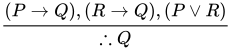
In logic, there are two main types of inferences known as dilemmas: the constructive dilemma and the destructive dilemma. In their most simple form, they can be expressed in the following way:
simple constructive:
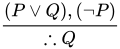
simple destructive:
The source of the fallacy is found in the disjunctive claim in the third premise, i.e. and respectively. The following is an example of a false dilemma with the simple constructive form:
(1) "If you tell the truth, you force your friend into a social
tragedy; and therefore, are an immoral person". (2) "If you lie, you are
an immoral person (since it is immoral to lie)". (3) "Either you tell
the truth, or you lie". Therefore "[y]ou are an immoral person (whatever
choice you make in the given situation)". This example constitutes a false dilemma because there are other
choices besides telling the truth and lying, like keeping silent. A
false dilemma can also occur in the form of a disjunctive syllogism:
In this form, the first premise () is responsible for the fallacious inference. Lewis's trilemma is a famous example of this type of argument involving three disjuncts: "Jesus was either a liar, a lunatic, or Lord". By denying that Jesus was a liar or a lunatic, one is forced to draw
the conclusion that he was God. But this leaves out various other
alternatives, for example, that Jesus was a prophet.
Deductive and defeasible arguments
False dilemmas are usually discussed in terms of deductive arguments. But they can also occur as defeasible arguments. A valid argument is deductive if the truth of its premises ensures the
truth of its conclusion. For a valid defeasible argument, on the other
hand, it is possible for all its premises to be true and the conclusion
to be false. The premises merely offer a certain degree of support for
the conclusion but do not ensure it. In the case of a defeasible false dilemma, the support provided for the
conclusion is overestimated since various alternatives are not
considered in the disjunctive premise.
Explanation and avoidance
Part of understanding fallacies involves going beyond logic to empirical psychology in order to explain why there is a tendency to commit or fall for the fallacy in question. In the case of the false dilemma,
the tendency to simplify reality by ordering it through
either-or-statements may play an important role. This tendency is to
some extent built into human language, which is full of pairs of
opposites. This type of simplification is sometimes necessary to make decisions
when there is not enough time to get a more detailed perspective. In
order to avoid false dilemmas, the agent should become aware of additional options besides the prearranged alternatives. Critical thinking and creativity may be necessary to see through the false dichotomy and to discover new alternatives.
Relation to distinctions and vagueness
Some philosophers and scholars believe that "unless a distinction can be made rigorous and precise it isn't really a distinction". An exception is John Searle, an analytic philosopher
who called it an incorrect assumption that produces false dichotomies.
Searle insists that "it is a condition of the adequacy of a precise
theory of an indeterminate phenomenon that it should precisely
characterize that phenomenon as indeterminate; and a distinction is no
less a distinction for allowing for a family of related, marginal,
diverging cases."
Similarly, when two options are presented, they often are,
although not always, two extreme points on some spectrum of
possibilities; this may lend credence to the larger argument by giving
the impression that the options are mutually exclusive, even though they need not be. Furthermore, the options in false dichotomies typically are presented as being collectively exhaustive,
in which case the fallacy may be overcome, or at least weakened, by
considering other possibilities, or perhaps by considering a whole
spectrum of possibilities, as in fuzzy logic. This issue arises from real dichotomies in nature, the most prevalent
example is the occurrence of an event. It either happened or it did not
happen. This ontology sets a logical construct that cannot be reasonably applied to epistemology.
Examples
False choice
The presentation of a false choice often reflects a deliberate
attempt to eliminate several options that may occupy the middle ground
on an issue. A common argument against noise pollution laws involves a false choice. It might be argued that in New York City
noise should not be regulated, because if it were, a number of
businesses would be required to close. This argument assumes that, for
example, a bar must be shut down to prevent disturbing levels of noise
emanating from it after midnight. This ignores the fact that law could
require the bar to lower its noise levels, or install soundproofing structural elements to keep the noise from excessively transmitting onto others' properties.
In psychology, a phenomenon related to the false dilemma is
"black-and-white thinking" or "thinking in black and white". There are
people who routinely engage in black-and-white thinking, an example of
which is someone who categorizes other people as all good or all bad.
Similar concepts
Various different terms are used to refer to false dilemmas. Some of the following terms are equivalent to the term false dilemma, some refer to special forms of false dilemmas and others refer to closely related concepts.
Dialectic (Ancient Greek: διαλεκτική, romanized: dialektikḗ; German: Dialektik), also known as the dialectical method, refers originally to dialogue between people holding different points of view about a subject but wishing to arrive at the truth through reasonedargument. Dialectic resembles debate, but the concept excludes subjective elements such as emotional appeal and rhetoric; the object is more an eventual and commonly held truth than the
"winning" of an (often binary) competition. It has its origins in ancient philosophy and continued to be developed in the Middle Ages.
Hegelianism
refigured "dialectic" to no longer refer to a literal dialogue.
Instead, the term takes on the specialized meaning of development by way
of overcoming internal contradictions. Dialectical materialism, a theory advanced by Karl Marx and Friedrich Engels, adapted the Hegelian dialectic into a materialist theory of history. The legacy of Hegelian and Marxian dialectics has been criticized by philosophers, such as Karl Popper and Mario Bunge, who considered it unscientific.
Dialectic implies a developmental process and so does not fit naturally within classical logic. Nevertheless, some twentieth-century logicians have attempted to formalize it.
Classical philosophy
In classical philosophy, dialectic (Ancient Greek: διαλεκτικήdialektikḗ) is a form of reasoning based upon dialogue of arguments and counter-arguments, advocating propositions (theses) and counter-propositions (antitheses).
The outcome of such a dialectic might be the refutation of a relevant
proposition, or a combination of the opposing assertions (a synthesis),
or a qualitative improvement of the dialogue. Socrates has become famous for his Socratic method of questioning conversation partners on topics until they agreed with him or admitted ignorance.
Platonism
In Platonism, dialectic assumed an ontological and metaphysical role
in that it became the process whereby the intellect passes from
sensibles to intelligibles, rising from idea to idea until it finally
grasps the supreme idea, the first principle, which is the origin of
all. The philosopher is consequently a "dialectician". In this sense, dialectic is a process of inquiry that does away with hypotheses up to the first principle. It slowly embraces multiplicity in unity. The philosopher Simon Blackburn
wrote that the dialectic in this sense is used to understand "the total
process of enlightenment, whereby the philosopher is educated so as to
achieve knowledge of the supreme good, the Form of the Good".
Aristotle
Aristotle has been traditionally understood as viewing dialectic as a lesser method of reasoning than demonstration, which derives a necessarily true conclusion, from premises assumed to be true, via syllogism. Within the Organon, the series comprising Aristotle's works about logic, the Topics is dedicated to dialectic—which he characterizes as argument from endoxa
("generally accredited opinions") where positions are subject to lines
of questioning, to which concessions may be made in response. While
Aristotle asserts "dialectic does not prove anything", he considers it
to be a useful art closely related to rhetoric.
Medieval philosophy
In the medieval period, dialectic was a foundational element of the trivium (grammar, rhetoric, and logic/dialectic), the essential curriculum in arts faculties at early universities.
Drawing heavily on the works of Aristotle, as transmitted and commented
upon by figures like Boethius, medieval thinkers employed dialectic as a
rigorous method for analyzing texts and pursuing truth through reasoned
argumentation. This practice was most notably formalized in the
academic exercise known as the quaestio disputata (disputed
question), a structured public debate where scholars presented arguments
for and against a specific proposition drawn from authoritative sources
such as Scripture, Church Fathers, or classical philosophers. The goal
was not merely to win a debate but to use logical analysis to resolve
apparent contradictions between different authorities, reconcile faith
with reason, and arrive at a unified, deeper understanding of the
subject matter. This method of systematic inquiry and rigorous logical
consistency formed the bedrock of Scholasticism and the Western
intellectual tradition, laying the groundwork for later developments in
modern philosophy and science.
This dialectic (a quaestio disputata) was formed as follows:
The question to be determined ("It is asked whether...");
A provisional answer to the question ("And it seems that...");
The principal arguments in favor of the provisional answer;
An argument against the provisional answer, traditionally a single argument from authority ("On the contrary...");
The determination of the question after weighing the evidence ("I answer that...");
The replies to each of the initial objections. ("To the first, to the second etc., I answer that...")
Modern philosophy
The concept of dialectics was given new life at the start of the nineteenth century by Georg Wilhelm Friedrich Hegel,
whose dialectical model of nature and of history made dialectics a
fundamental aspect of reality, instead of regarding the contradictions
into which dialectics leads as evidence of the limits of pure reason, as
Immanuel Kant had argued. Hegel was influenced by Johann Gottlieb Fichte's
conception of synthesis, although Hegel didn't adopt Fichte's
thesis–antithesis–synthesis language except to describe Kant's
philosophy: rather, Hegel argued that such language was "a lifeless
schema" imposed on various contents, whereas he saw his own dialectic as
flowing out of "the inner life and self-movement" of the content
itself.
In the mid-nineteenth century, Hegelian dialectic was appropriated by Karl Marx and Friedrich Engels
and retooled in what they considered to be a nonidealistic manner. It
would also become a crucial part of later representations of Marxism as a
philosophy of dialectical materialism. These representations often contrasted dramatically and led to vigorous debate among different Marxist groups.
The Hegelian dialectic describes changes in the forms of thought, through their own internal contradictions, into concrete forms that overcome previous oppositions.
This dialectic is sometimes presented in a threefold manner, as first stated by Heinrich Moritz Chalybäus, as comprising three dialectical stages of development: a thesis, giving rise to its reaction; an antithesis, which contradicts or negates the thesis; and the tension between the two being resolved by means of a synthesis.However, Hegel opposed these terms.
By contrast, the terms abstract, negative, and concrete
suggest a flaw or an incompleteness in any initial thesis. For Hegel,
the concrete must always pass through the phase of the negative, that
is, mediation. This is the essence of what is popularly called Hegelian
dialectics.
To describe the activity of overcoming the negative, Hegel often used the term Aufheben,
variously translated into English as 'sublation' or 'overcoming', to
conceive of the working of the dialectic. Roughly, the term indicates
preserving the true portion of an idea, thing, society, and so forth,
while moving beyond its limitations. What is sublated, on the one hand,
is overcome, but, on the other hand, is preserved and maintained.
As in the Socratic dialectic, Hegel claimed to proceed by making
implicit contradictions explicit: each stage of the process is the
product of contradictions inherent or implicit in the preceding stage.
In his view, the purpose of dialectics is "to study things in their own
being and movement and thus to demonstrate the finitude of the partial
categories of understanding".
For Hegel, even history can be reconstructed as a unified
dialectic, the major stages of which chart a progression from
self-alienation as servitude to self-unification and realization as the rational constitutional state of free and equal citizens.
Marxist dialectic
Marxist dialectic is a form of Hegelian dialectic which applies to the study of historical materialism.
Marxist dialectic is thus a method by which one can examine social and
economic behaviors. It is the foundation of the philosophy of dialectical materialism, which forms the basis of historical materialism.
In the Marxist tradition, "dialectic" refers to regular and
mutual relationships, interactions, and processes in nature, society,
and human thought.
A dialectical relationship is a relationship in which two
phenomena or ideas mutually impact each other, leading to development
and negation. Development refers to the change and motion of phenomena
and ideas from less advanced to more advanced or from less complete to
more complete. Dialectical negation refers to a stage of development in
which a contradiction between two previous subjects gives rise to a new
subject. In the Marxist view, dialectical negation is never an endpoint,
but instead creates new conditions for further development and
negation.
Karl Marx and Friedrich Engels, writing several decades after Hegel's death, proposed that Hegel's dialectic is too abstract. Against this, Marx presented his own dialectic method, which he claimed to be "direct opposite" of Hegel's method.
Marxist dialectics is exemplified in Das Kapital. As Marx explained,
it includes in its comprehension an
affirmative recognition of the existing state of things, at the same
time, also, the recognition of the negation of that state, of its
inevitable breaking up; because it regards every historically developed
social form as in fluid movement, and therefore takes into account its
transient nature not less than its momentary existence; because it lets
nothing impose upon it, and is in its essence critical and
revolutionary.
Class struggle
is the primary contradiction to be resolved by Marxist dialectics
because of its central role in the social and political lives of a
society. Marx believed the struggle between the capitalist class (the
purchasers of labor-power) and the working class (the sellers of
labor-power) to be the primary contradiction of the capitalist mode of
production, and that the working class must resolve this contradiction
by seizing power in a revolution, to abolish class distinctions
generally.
Friedrich Engels further proposed that nature itself is
dialectical, and that this is "a very simple process, which is taking
place everywhere and every day". His dialectical "law of the transformation of quantity into quality and vice versa" corresponds, according to Christian Fuchs, to the concept of phase transition and anticipated the concept of emergence "a hundred years ahead of his time". Stalin and Mao interpreted the transformation of quantity into quality
not as a separate law, but as a special instance of the unity and
struggle of opposites.
For Vladimir Lenin,
the primary feature of Marx's "dialectical materialism" (Lenin's term)
is its application of materialist philosophy to history and social
sciences. Lenin's main contribution to the philosophy of dialectical
materialism is his theory of reflection, which presents human
consciousness as a dynamic reflection of the objective material world
that fully shapes its contents and structure.
Later, Stalin's works on the subject established a rigid and formalistic division of Marxist–Leninist
theory into dialectical materialism and historical materialism. While
the first was supposed to be the key method and theory of the philosophy
of nature, the second was the Soviet version of the philosophy of
history.
Soviet systems theory pioneer Alexander Bogdanov viewed Hegelian and materialist dialectic as progressive, albeit inexact and diffuse, attempts at achieving what he called tektology, or a universal science of organization.
Dialectical naturalism
Dialectical naturalism is a term coined by American philosopher Murray Bookchin to describe the philosophical underpinnings of the political program of social ecology.
Dialectical naturalism explores the complex interrelationship between
social problems and the ecological consequences of human society.
Bookchin offered dialectical naturalism as a contrast to what he saw as
the "empyrean, basically antinaturalistic dialectical idealism" of
Hegel, and "the wooden, often scientistic dialectical materialism of
orthodox Marxists".
Theological dialectics
Neo-orthodoxy, in Europe also known as theology of crisis and dialectical theology, is a theological approach in Protestantism that was developed in the aftermath of the First World War (1914–1918). It is characterized as a reaction against doctrines of nineteenth-century liberal theology and a more positive reevaluation of the teachings of the Reformation, much of which had been in decline (especially in western Europe) since the late eighteenth century. It is primarily associated with two Swiss professors and pastors, Karl Barth (1886–1968) and Emil Brunner (1899–1966), even though Barth himself expressed his unease in the use of the term.
In dialectical theology, the difference and opposition between
God and human beings is stressed in such a way that all human attempts
at overcoming this opposition through moral, religious or philosophical
idealism must be characterized as sin. In the death of Christ humanity
is negated and overcome, but this judgment also points forwards to the
resurrection in which humanity is reestablished in Christ. For Barth
this meant that only through God's "no" to everything human can his
"yes" be perceived. Applied to traditional themes of Protestant
theology, such as double predestination,
this means that election and reprobation cannot be viewed as a
quantitative limitation of God's action. Rather it must be seen as its
"qualitative definition".
Dialectic prominently figured in Bernard Lonergan's philosophy, in his books Insight and Method in Theology. Michael Shute wrote about Lonergan's use of dialectic in The Origins of Lonergan's Notion of the Dialectic of History.
For Lonergan, dialectic is both individual and operative in community.
Simply described, it is a dynamic process that results in something new:
For the sake of greater precision,
let us say that a dialectic is a concrete unfolding of linked but
opposed principles of change. Thus there will be a dialectic if (1)
there is an aggregate of events of a determinate character, (2) the
events may be traced to either or both of two principles, (3) the
principles are opposed yet bound together, and (4) they are modified by
the changes that successively result from them.
Dialectic is one of the eight functional specialties Lonergan
envisaged for theology to bring this discipline into the modern world.
Lonergan believed that the lack of an agreed method among scholars had
inhibited substantive agreement from being reached and progress from
being made compared to the natural sciences. Karl Rahner,
S. J., however, criticized Lonergan's theological method in a short
article entitled "Some Critical Thoughts on 'Functional Specialties in
Theology'" where he stated: "Lonergan's theological methodology seems to
me to be 'so generic that it really fits every science', and hence is
not the methodology of theology as such, but only a very general
methodology of science."
Friedrich Nietzsche
viewed dialectic as a method that imposes artificial boundaries and
suppresses the richness and diversity of reality. He rejected the notion
that truth can be fully grasped through dialectical reasoning and
offered a critique of dialectic, challenging its traditional framework
and emphasizing the limitations of its approach to understanding
reality. He expressed skepticism towards its methodology and implications in Twilight of the Idols: "I mistrust all systematizers and I avoid them. The will to a system is a lack of integrity".
In the same book, Nietzsche criticized Socrates' dialectics because he
believed it prioritized reason over instinct, resulting in the
suppression of individual passions and the imposition of an artificial
morality.
In 1937, Karl Popper
wrote and delivered a paper entitled "What Is Dialectic?" in which he
criticized the dialectics of Hegel, Marx, and Engels for their
willingness "to put up with contradictions". He argued that accepting contradiction as a valid form of logic would lead to the principle of explosion and thus trivialism.
Popper concluded the essay with these words: "The whole development of
dialectic should be a warning against the dangers inherent in
philosophical system-building. It should remind us that philosophy
should not be made a basis for any sort of scientific system and that
philosophers should be much more modest in their claims. One task which
they can fulfill quite usefully is the study of the critical methods of science." Seventy years later, Nicholas Rescher
responded that "Popper's critique touches only a hyperbolic version of
dialectic", and he quipped: "Ironically, there is something decidedly
dialectical about Popper's critique of dialectics." Around the same time as Popper's critique was published, philosopher Sidney Hook
discussed the "sense and nonsense in dialectic" and rejected two
conceptions of dialectic as unscientific but accepted one conception as a
"convenient organizing category".
The philosopher of science and physicist Mario Bunge repeatedly criticized Hegelian and Marxian dialectics, calling them "fuzzy and remote from science" and a "disastrous legacy". He concluded: "The so-called laws of dialectics, such as formulated by
Engels (1940, 1954) and Lenin (1947, 1981), are false insofar as they
are intelligible." Poe Yu-ze Wan,
reviewing Bunge's criticisms of dialectics, found Bunge's arguments to
be important and sensible, but he thought that dialectics could still
serve some heuristic purposes for scientists. Wan pointed out that scientists such as the American Marxist biologists Richard Levins and Richard Lewontin (authors of The Dialectical Biologist) and the German-American evolutionary biologist Ernst Mayr,
not a Marxist himself, have found agreement between dialectical
principles and their own scientific outlooks, although Wan opined that
Engels' "laws" of dialectics "in fact 'explain' nothing".
Even some Marxists are critical of the term "dialectics". For instance, Michael Heinrich
wrote, "More often than not, the grandiose rhetoric about dialectics is
reducible to the simple fact that everything is dependent upon
everything else and is in a state of interaction and that it's all
rather complicated—which is true in most cases, but doesn't really say
anything."
Formalization
Since the late 20th century, European and American logicians have attempted to provide mathematical foundations for dialectic through formalisation, although logic has been related to dialectic since ancient times. There have been pre-formal and partially-formal treatises on argument and dialectic, from authors such as Stephen Toulmin (The Uses of Argument, 1958),Nicholas Rescher (Dialectics: A Controversy-Oriented Approach to the Theory of Knowledge, 1977), and Frans H. van Eemeren and Rob Grootendorst (pragma-dialectics, 1980s). One can include works of the communities of informal logic and paraconsistent logic.
Defeasibility
Building on theories of defeasible reasoning (see John L. Pollock),
systems have been built that define well-formedness of arguments, rules
governing the process of introducing arguments based on fixed
assumptions, and rules for shifting burden. Many of these logics appear in the special area of artificial intelligence and law, though the computer scientists' interest in formalizing dialectic originates in a desire to build decision support and computer-supported collaborative work systems.
Dialectic itself can be formalised as moves in a game, where an advocate for the truth of a proposition and an opponent argue. Such games can provide a semantics of logic, one that is very general in applicability.
Epigenetic modifications play a role in the development and
heritability of these disorders and related symptoms. For example,
regulation of the hypothalamus-pituitary-adrenal axis by glucocorticoids plays a major role in stress response and is known to be epigenetically regulated.
As of 2015 most work has been done in animal models in laboratories, and little work has been done in humans; the work is not yet applicable to clinical psychiatry. Stress-induced epigenetic changes, particularly to genes that effect the hypothalamic–pituitary–adrenal
(HPA) axis, persist into future generations, negatively impacting the
capacity of offspring to adapt to stress. Early life experiences, even
when generations removed, can cause permanent epigenetic modifications
of DNA resulting in changes in gene expression, endocrine function and metabolism. These heritable epigenetic modifications include DNA methylation of the promoter regions of genes that affect sensitivity to stress.
Mechanism
Epigenetic modification in response to stress results in molecular
and genetic alterations that in turn results in mis-regulated or
silenced genes. Heterochromatin is the protein that controls the silencing of these genes epigenetically. For example, epigenetic modifications to the gene BDNF
(brain derived neurotrophic factor), as well as Drosophila ATF-2
(dATF-2), as a result of stress can be passed on to offspring. Chronic
variable stress induces offspring hypothalamic gene expression
modifications, including elevated methylation levels of the BDNF promoter in the hippocampus. This methylation will also occur in the heterochromatin, causing a
disrupted heterochromatin to be passed on to the child. Maternal
separation and postnatal maternal abuse also increases DNA methylation
at regulatory regions of BDNF genes in the prefrontal cortex and hippocampus, leading to potential stress vulnerability in future generations.
Stress can also result in inheritable changes DNA methylation in the promoter regions of the estrogen receptor alpha (ERα), glucocorticoid receptor (GR), and mineralocorticoid receptor (MR). These changes lead to altered expression of these genes in offspring that in turn leads to decreased stress tolerance.
Stress and the HPA axis
Gene regulation as it relates to the HPA axis has been implicated in
transgenerational stress effects. Environmental prenatal stress
exposure, for example, alters glucocorticoid receptor gene expression, gene function, and future stress response in F1 and F2 generations. Maternal care likewise contributes to HPA-related epigenetic
modifications. Epigenetic re-programming of gene expression alters
stress response in offspring later in life when exposed to decreased
maternal care. Inattentive mothering has led to increased levels of gene
methyl marks, compared to attentive mothers. Female offspring with low licking-grooming mothers have decreased
promoter methylation and increased histone acetylation, leading to
increased glucocorticoid receptor expression. Epigenetic modifications as a result of absent maternal care lead to decreased estrogen receptor alpha expression, due to increased methylation at the gene's promoter.
Epigenetic writers, erasers, and readers
Epigenetic changes are performed by enzymes known as writers, which
can add epigenetic modifications, erasers, which erase epigenetic
modifications, and readers, which can recognize epigenetic modifications
and cause a downstream effect. Stress-induced modifications of these
writers, erasers, and readers result in important epigenetic
modifications such as DNA methylation and acetylation.
DNA methylation
During DNA methylation, cytosine is methylated.
DNA methylation is a type of epigenetic modification in which methyl groups are added to cytosines of DNA. It is located on the fifth position of cytosine which has importance in the development of mammals. DNA methylation is an important regulator of gene expression
and is usually associated with gene repression. DNA Methylation is a
mechanism which can suppress gene expression. It can be inherited
through cell divisions in development, and is involved with cell memory.
Changes in methylation occur due to mutated or deregulated chromatin
regulators. This process is also used in marking cancers for diagnosis.
MeCP2
Laboratory studies have found that early life stress in rodents can cause phosphorylation of methyl CpG binding protein 2 (MeCP2),
a protein that preferentially binds CpGs and is most often associated
with suppression of gene expression. Stress-dependent phosphorylation of
MeCP2 causes MeCP2 to dissociate from the promoter region of a gene
called arginine vasopressin (avp), causing avp
to become demethylated and upregulated. This may be significant because
arginine vasopressin is known to regulate mood and cognitive behavior.
Additionally, arginine vasopressin upregulates corticotropin-releasing hormone (CRH), which is a hormone important for stress response. Thus, stress-induced upregulation of avp
due to demethylation might alter mood, behavior, and stress responses.
Demethylation of this locus can be explained by reduced binding of DNA
methyl transferases (DNMT), an enzyme that adds methyl groups to DNA, to
this locus.
MeCP2 is known to have interactions with several other enzymes
that modify chromatin (for example, HDAC-containing complexes and
co-repressors) and in turn regulate activity of genes that modulate
stress response either by increasing or decreasing stress tolerance. For
example, epigenetic upregulation of genes that increase stress response
may cause decreased stress tolerance in an organism. These interactions
are dependent on the phosphorylation status of MeCP2, which as
previously mentioned, can be altered by stress.
DNMT1
DNA methyltransferase
1 (DNMT1) belongs to a family of proteins known as DNA
methyltransferases, which are enzymes that add methyl groups to DNA.
DNMT1 is specifically involved in maintaining DNA methylation; hence it
is also known as the maintenance methylase DNMT1. DNMT1 aids in regulation of gene expression by methylating promoter regions of genes, causing transcriptional repression of these genes.
DNMT1 is transcriptionally repressed under stress-mimicking exposure both in vitro and in vivo
using a mouse model. Accordingly, transcriptional repression of DNMT1
in response to long-term stress-mimicking exposure causes decreased DNA
methylation, which is a marker of gene activation. In particular, there
is decreased methylation of a gene called fkbp5,
which plays a role in stress response as a glucocorticoid-responsive
gene. Thus, chronic stress may cause demethylation and hyperactivation
of a stress-related gene, causing increased stress response.
Additionally, DNMT1 gene locus has increased methylation in individuals who were exposed to trauma and developed post-traumatic stress disorder (PTSD). Increased methylation of DNMT1
did not occur in trauma-exposed individuals who did not develop PTSD.
This may indicate an epigenetic phenotype that can differentiate
PTSD-susceptible and PTSD-resilient individuals after exposure to
trauma.
Transcription factors
Transcription factors are proteins that bind DNA and modulate the transcription of genes into RNA such as mRNA, tRNA, rRNA,
and more; thus they are essential components of gene activation. Stress
and trauma can affect expression of transcription factors, which in
turn alter DNA methylation patterns.
For example, transcription factor nerve growth-induced protein A
(NGFI-A, also called NAB1) is up-regulated in response to high maternal
care in rodents, and down-regulated in response to low maternal care (a
form of early life stress). Decreased NGFI-A due to low maternal care
increases methylation of a glucocorticoid receptor promoter in rats. Glucocorticoid
is known to play a role in downregulating stress response; therefore,
downregulation of glucocorticoid receptor by methylation causes
increased sensitivity to stress.
Histone acetylation
During histone acetylation, lysines are acetylated.
Histone acetylation and deacetylation
is a type of epigenetic modification in which acetyl groups are added
to lysine on histone tails. Histone acetylation, performed by enzymes
known as histone acetyltransferases
(HATs), removes the positive charge from lysine and results in gene
activation by weakening the histone's interaction with
negatively-charged DNA. In contrast, histone deacetylation performed by histone deacetylases (HDACs) results in gene deactivation.
HDAC
Transcriptional activity and expression of HDACs is altered in response to early life stress. For animals exposed to early life stress, HDAC expression tends to be
lower when they are young and higher when they are older. This suggests
an age-dependent effect of early life stress on HDAC expression. These
HDACs may result in deacetylation and thus activation of genes that
upregulate stress response and decrease stress tolerance.
Transgenerational epigenetic influences
Genome-wide association studies have shown that psychiatric disorders are partly heritable; however, heritability cannot be fully explained by classical Mendelian genetics, but rather epigenetics. There are many components in understanding the heritability of psychiatric disorders. Understanding epigenetic modifications and its ability to impact
epigenomes over generations is vital in analyzing potential behavioral
disorders. But we must acknowledge the concept of transgenerational epigenetics
(epigenetic inheritance) which is the occurrence in which parents are
able to transfer traits not present in their DNA sequencing to their
offspring; it is the passing of environmentally manipulated traits for
two or more generations without direct DNA alteration. For example, one study found transmission of DNA methylation patterns
from fathers to offspring during spermatogenesis. Similarly, several
studies have shown that traits of psychiatric illnesses (such as traits
of PTSD and other anxiety disorders) can be transmitted epigenetically Parental exposure to various stimuli, both positive and negative, can
cause transgenerational epigenetic and behavioral effects.
Parental exposure to trauma and stress
Trauma and stress experienced by a parent can cause epigenetic changes to its offspring. This has been observed both in population and experimental studies.
Biological vulnerability and HPA axis alterations may be observed
after maternal epigenetic programing during pregnancy, leading to
similar modifications in future generations. Child abuse exposure, for example, is associated with lower baseline
infant cortisol levels as well as modified HPA axis function. Human
studies investigating posttraumatic stress disorder (PTSD) and its effects on offspring have illustrated similar molecular and HPA axis modification and function. PTSD patients who experienced trauma from genocides or terrorist
attacks frequently exhibited aggressive or neglectful behavior toward
offspring during critical developmental periods, possibly contributing
to permanent glucocorticoid deregulation in offspring. PTSD mothers and children illustrate lower basal cortisol levels and glucocorticoid receptors and increased mineralocorticoid receptors when exposed to stress. Therefore, developmental experiences, such as stress exposure, may have
critical effects on neuromodulatory mechanisms transgenerationally.
Strong relationships between maternal care and subsequent
epigenetic modification in offspring, similar to that found in animal
models, has been observed in humans. Severe emotional trauma in the
mother, for example, often leads to modified methylation patterns of DNA
in subsequent offspring generations. PTSD exposed offspring illustrate epigenetic modifications similar to that seen in PTSD mothers, with an increased NR3C2 methylation in exon 1 and increased CpG methylation in the NR3C2 coding sequence, leading to alterations in mineralocorticoid receptor gene expression. Additionally, investigation of post mortem hippocampal
tissue indicates decreased levels of neuron-specific glucocorticoid
receptor mRNA and decreased DNA methylation in promoter regions among
suicidal individuals with lifelong stress or abuse exposure.
Epigenetic mechanisms as a result of early life stress may be
responsible for neuronal and synaptic alterations in the brain.
Developmental stress exposure has been shown to alter brain structure
and behavioral functions in adulthood. Evidence of decreased complexity
in the CA1
and CA3 region of the hippocampus in terms of dendritic length and
spine density after early-life stress exposure indicates
transgenerational stress inheritance. Therefore, environmental and experience-dependent synaptic
reorganization and structure modifications may lead to increased stress
vulnerability and brain dysfunction in future generations.
Transgenerational Stress Effects
Human models illustrating transgenerational stress effects are
limited due to relatively novel exploration of the topic of epigenetics
as well as lengthy follow-up intervals required for multi-generational
studies. Several models, however, have investigated the role of
epigenetic inheritance and transgenerational stress effects.
Transgenerational stress in humans, as in animal models, induces effects
influencing social behavior, reproductive success, cognitive ability,
and stress response. Similar to animal models, human studies have investigated the role of
epigenetics and transgenerational inheritance molecularly as it relates
to the HPA system. Prenatal influences, such as emotional stress,
nutrition deprivation, toxin exposure, hypoxia,
increased maternal HPA activity, and cortisol levels may activate or
affect HPA axis activity of offspring, despite placental barrier.
Paternal stress inheritance
Paternal stress is an important factor in the determination of
inheritance of genes as well as maternal stress inheritance. Factors
such as environment and experiences can alter the epigenetic of paternal
genes as well as in sperm. Epigenetic changes to the DNA in sperm
("epigenetic tags") prior to conception can be passed to offspring. The
paternal phenotype will be inherited into the offspring due to genetic
information being stored in the sperm. In studies, it is shown as rodent
offspring are fostered mono-parentally and have no direct exposure with
their fathers, offspring born of stressed male rodents provide a good
model for transgenerational stress inheritance. Direct injection of
sperm RNAs to wild type oocytes results in reproducible stress-related
modifications. Small non-coding RNAs may serve as a potential mechanism for
stress-related genetic changes in offspring. Mouse models of traumatic
early life stress exposure result in microRNA modifications and
subsequent differences in gene expression and metabolic function. This effect was reproducible by sperm RNA injection, leading to similar
gene modifications in future generations. The novelty of this research
suggests direct mechanisms capable of altering epigenetics by
stress-related factors.
Phenotypic effects
Early life experiences and environmental factors may lead to epigenetic modification at specific gene loci, leading to altered neuronal plasticity, function, and subsequent behavior. As mentioned, there are genetic markers in all living organisms. There
can also be the presence of epigenetically marks and this are basically
areas of modification on DNA that in with gene expression. Certain
exposures within the environment can lead to the expression of genes in
various ways which can contribute to behavioral plasticity patterns that
can potentially also change the ways in which organism functions when
under normal conditions. Chromatin remodeling in rodent offspring and altered gene expression
within the limbic brain regions that may contribute to depression,
stress, and anxiety-related disorders in future generations. Variations in maternal care, such as maternal licking and grooming,
indicates reduced HPA axis reactivity in subsequent generations. Such HPA axis modifications lead to decreased anxiety-like behavior in
adulthood and increased glucocorticoid receptor levels leading to
negative feedback on HPA reactivity and further behavioral
modifications. Rodent models of maternal separation also reveal increased
depressive-like behavior in offspring, decreased stress coping
abilities, and changes in DNA methylation.
Irene Shashar, a Holocaust survivor of the Warsaw Ghetto, addressing MEPs
Holocaust
An epidemiological study investigating behavioral, physiological, and molecular changes in the children of Holocaust survivors found epigenetic modifications of a glucocorticoid receptor gene, Nr3c1.
This is significant because glucocorticoid is a regulator of the
hypothalamus-pituitary-adrenal axis (HPA) and is known to affect stress
response. These stress-related epigenetic changes were accompanied by
other characteristics that indicated higher stress and anxiety in these
offspring, including increased symptoms of PTSD, greater risk of
anxiety, and higher levels of the stress hormone cortisol. The offspring demonstrate greater risk of developing PTSD in response to their own trauma or traumas. Offspring with maternal exposure to the Holocaust during the mother's
childhood has demonstrated significantly lower site 6 methylation. The site 6 methylation impacts the stress response. In addition to PTSD
risks in response to individual trauma in offspring, there has also
been an increase in nightmares of offspring related to persecution and
torment.
Experimental evidence
The effect of parental exposure to stress has been tested
experimentally as well. For example, male mice who were put under early
life stress through poor maternal care—a scenario analogous to human
childhood trauma—passed on epigenetic changes that resulted in
behavioral changes in offspring. Offspring experienced altered DNA
methylation of stress-response genes such as CB1 and CRF2 in the cortex,
as well as epigenetic alterations in transcriptional regulation gene
MeCP2. Offspring were also more sensitive to stress, which is in
accordance with the altered epigenetic profile. These changes persisted
for up to three generations.
In another example, male mice were socially isolated as a form of
stress. Offspring of these mice had increased anxiety in response to
stressful conditions, increased stress hormone levels, dysregulation of
the HPA axis which plays a key role in stress response, and several
other characteristics that indicated increased sensitivity to stress.
Inheritance of small-noncoding RNA
Studies have found that early life stress induced through poor
maternal care alters sperm epigenome in male mice. In particular,
expression patterns of small-noncoding RNAs (sncRNAs) are altered in the sperm, as well as in stress-related regions of the brain. Offspring of these mice exhibited the same sncRNA expression changes in
the brain, but not in the sperm. These changes were coupled with
behavioral changes in the offspring that were comparable to behavior of
the stressed fathers, especially in terms of stress response.
Additionally, when the sncRNAs in the fathers' sperm were isolated and
injected into fertilized eggs, the resulting offspring inherited the
stress behavior of the father. This suggests that stress-induced
modifications of sncRNAs in sperm can cause inheritance of stress
phenotype independent of the father's DNA.
Parental exposure to positive stimulation
Exercise
Just as parental stress can alter epigenetics of offspring, parental
exposure to positive environmental factors cause epigenetic
modifications as well. For example, male mice that participated in
voluntary physical exercise
resulted in offspring that had reduced fear memory and anxiety-like
behavior in response to stress. This behavioral change likely occurred
due to expressions of small non-coding RNAs that were altered in sperm
cells of the fathers. Participation in aerobic exercise led to decreased cortisol levels in males.
Stress effect reversal
Additionally, exposing fathers to enriching environments can reverse
the effect of early life stress on their offspring. When early life
stress is followed by environmental enrichment, anxiety-like behavior in
offspring is prevented. Similar studies have been conducted in humans and suggest that DNA methylation plays a role. Other studies have been conducted to find drugs such as T2D and PPArG
can be used as an epigenetic regulation for tissues associated with
diabetes. These drugs used show evidence for the therapies that can be
associated with the stress effect reversal.
Childhood exposure to trauma
Early life development and childhood trauma
Mental health disorders that can be caused by epigenetic alterations
Healthy development early in life is critical. Early life is
characterized by rapid development and increased susceptibility to
modifications. Childhood trauma can severely affect the development of
the brain, resulting in the alteration of neural circuits which are
involved in emotional regulation and threat detection. Childhood trauma
has been associated with a wide array of mental health disorders such
as bipolar disorder, anxiety, post traumatic stress disorder (PTSD), and
depression.
PTSD Inheritability
Research involving PTSD
in those who experienced childhood trauma had a 25% to 60%
inheritability rate, which is a relatively low to moderate rate. This
study suggests that other factors play a role in the contribution to
this disorder such as gene interactions involving epigenetic
modifications. These epigenetic modifications, specifically DNA
methylation can lead to the phenotypic expression of mental disorders.
Changes to the HPA Axis Due to Childhood Trauma
Hypothalamic-pituatary-adrenal (HPA)
axis is essential component of the neuroendocrine system that regulates
stress response. Persistent dysregulation of the stress response
pathway resulting from childhood trauma causes alterations in the (HPA).
These alterations lead to prolonged harmful physiological and physical
changes.
Postmortem Brain Tissue DNA Methylation
A DNA methylation
study was done by Labonte on postmortem human brain tissue comparing
humans with or without a history of childhood abuse who died by suicide.
Childhood abuse and trauma was associated with increased cytosine
methylation of the NR3C1 promoter resulting in the decrease of GR
expression. The NR3C1 gene encodes glucocorticoid receptor (GR) which is
essential for glucose regulation and managing stress response through
both genetic and epigenetic pathways.
Post-traumatic stress disorder (PTSD)
Post-traumatic stress disorder
(PTSD) is a stress-related mental health disorder that emerges in
response to traumatic or highly stressful experiences. It is believed
that PTSD develops as a result of an interaction between these traumatic
experiences and genetic factors. The signs and symptoms of PTSD can
include avoidance behaviors, invasive thoughts, and significant
alterations in normal behavior and thinking. There is evidence suggesting PTSD formation is associated with
epigenetic changes such as DNA methylation and acetylation of histone
proteins. Increased DNA methylation has been found to regulate the
induction of fear conditioning behaviors associated with PTSD triggers.Histone modifications, like acetylation and deacetylation, play an
important role in the development of PTSD, which is related to fear
memory from traumatic events. Recent research has also found that cultural factors—including
differences in self-representation within individualistic and
collectivist cultures—can impact such neural mechanisms of PTSD,
including fear processing and regulation, leading to different
modulation, presentation, and efficacy of treatment for PTSD symptoms.
The DSM-5 asserts that PTSD manifests differently in children
over six years old than in adults. Specifically that their flashbacks or
intrusive memories may be explained by recreating their traumatic
event(s) through their play. They may also experience reoccurring
nightmares that are indirectly related to the event. Additionally, there
is a separate criteria altogether for PTSD in children under six years
old.
Epigenetic modifications
DNA methylation
Epigenetic DNA Methylation
Through a number of human studies, PTSD is known to affect DNA
methylation of CpG islands in several genes involved in numerous
activities, including stress responses and neurotransmitter activity.
CpGs are used to describe cytosine-guanine adjacent nucleotides within
the same strand of DNA. CpG islands are defined by computer algorithms
as being made up of at least 60% CpGs and being anywhere between 200 and
3000 base pairs in size. The methylation of these CpG islands can cause
histone modifications which can lead to the condensation of chromatin
which can ultimately alter gene expression.
DNMT enzyme
DNA methyltransferase, DNMT, is an enzyme responsible for increased
methylation of DNA. It has been found that DNMT and its associated
increased methylation can regulate risk for memory consolidation and fear conditioning.
TET enzyme
The removal of methyl groups from cytosine is initiated by a TET
enzyme. TET is an enzyme known to oxidize 5-methylcytosine (5mC) to
5-hydroxymethylcytosine (5hmC) within the genome. This reaction
initiates active DNA demethylation to ultimately alter gene expression.
It has been found that the TET enzyme exists as two isoforms which are
differentially regulated and expressed across brain regions. The
regulation of these isoforms can affect synaptic connections and
ultimately memory formation. The manipulation of the TET enzymes' expression levels has become a potential source of interest for PTSD medication.
The table below identifies differentially methylated regions
(DMRs) across the genome which undergo PTSD-induced epigenetic changes
which alter gene expression.
Human Studies Supporting the Role of DNA Methylation in PTSD
Higher methylation is associated with PTSD symptoms.
Histone modifications
Histone acetylation is performed by histone acetyl transferases
(HATs) and histone deacetylation is carried out by histone deacetylases
(HDACs). In rodent PTSD models, it has been found that an increase in histone acetylation is associated with fear conditioning. Histone acetylation can be involved in all parts of fear memory,
including the development to memory extinction. It can also play a role
in long-term potentiation (LTP). It was also observed that HDACs increase memory formation in fear
extinction and HDAC inhibitors (HDACi) have shown evidence for modifying
memory extinction, a possible treatment for PTSD.
Nervous system structures affected by PTSD
Hypothalamus-pituitary-adrenal axis
The hypothalamus-pituitary-adrenal (HPA) axis is a neuroendocrine
system largely involved in ascertaining the levels of cortisol
circulating the body at any given point in time. As cortisol plays a key
role in the stress response, so does the HPA axis. The dysregulation of
the HPA axis has been found to be characteristic of several stress
disorders, including PTSD. This system works under a negative feedback
loop structure. Hence, this HPA axis dysregulation may take the form of
amplified negative inhibition and result in down-regulated cortisol
levels. Epigenetic modifications play a role in this dysregulation, and these
modifications are likely caused by the traumatic/stressful experience
that triggered PTSD.
Immune dysregulation by HPA axis modifications
PTSD is often linked with immune dysregulation. Traumatic experiences
can induce epigenetic changes at the gene loci that are immune-related
which can lead to immune dysregulation and an increased risk of PTSD. Trauma exposure can also disrupt the HPA axis, thus altering peripheral
immune function. The effect of PTSD on immune function arises in at
least two ways: 1) Continuous disturbances on the HPA axis can
dysregulate peripheral immune function, and 2) the effects of immune
dysregulation in the periphery can lead to increased development of PTSD
because of alterations in brain function.
PTSD-associated changes in immune cells found in blood or saliva
can serve as biomarkers that trigger epigenetic changes which are
involved in the pathogenesis of PTSD. These unique biomarkers serve as means of identifying PTSD subtypes.
Beyond identifying subtypes, these distinct biomarkers can potentially
be used to develop PTSD treatments.
Epigenetic modifications have been observed in immune-related
genes of individuals with PTSD. For example, deployed military members
who developed PTSD have higher methylation in the immune-related gene interleukin-18 (IL-18).This has interested scientists because high levels of IL-18 increase
cardiovascular disease risk, and individuals with PTSD have elevated
cardiovascular disease risk. Thus, stress-induced immune dysregulation
via methylation of IL-18 may play a role in cardiovascular disease in
individuals with PTSD.
Additionally, an epigenome-wide study found that individuals with
PTSD have altered levels of methylation in the following immune-related
genes: TPR, CLEC9A, APC5, ANXA2, TLR8, IL-4, and IL-2. This again shows that immune function in PTSD is disrupted, especially by epigenetic changes that are likely stress-induced.
Genes affected by PTSD
NR3C1
Nr3c1 is a transcription factor that encodes a glucocorticoid
receptor (GR) and contains many GR response elements. Npas4 is another
regulatory transcription factor also responsible for the regulation of
GRs. Stress-induced changes in Nr3c1 and Npas4 methylation have been
shown to alter stress sensitivity. This response differs between
short-lived stress exposure and chronic stress exposure. In response to
short lived stress, the NR3C1 promoter is more hydroxymethylated which
is a modification associated with increased transcription of
GR-associated genes. Thus, short lived stress exposure increases stress
sensitivity. Conversely, in response to chronic stress, the Npas4
promoter has been presumed to be increased in methylation, a
modification which is associated with inhibitory regulation of GRs.
Thus, chronic stress exposure decreases stress sensitivity. These
distinctions are important in understanding the epigenetic patterns of
stress and genetic interactions with PTSD triggers. Overall, in the hippocampus of chronically stressed animals, the 3′-UTR
(untranslated region of DNA) of the glucocorticoid receptor Nr3c1
showed increased hydroxymethylation, which led to increased
transcription and thus, the disruption of stress tolerance and increased
risk of disorders such as PTSD. However, early life stress increases
methylation of the 1F promoter in this gene (or the 17
promoter analog in rodents). Because of its role in stress response and
its link to early life stress, this gene has been of particular
interest in the context of PTSD and has been studied in PTSD of both
combat veterans and civilians.
In studies involving combat veterans, those who developed PTSD had lowered methylation of the Nr3c1 1F promoter compared to those who did not develop PTSD. Additionally, veterans who developed PTSD and had higher Nr3c1
promoter methylation responded better to long-term psychotherapy
compared to veterans with PTSD who had lower methylation. These findings
were recapitulated in studies involving civilians with PTSD. In civilians, PTSD is linked to lower methylation levels in the T-cells of exons 1B and 1C of Nr3c1,
as well as higher GR expression. Thus, it seems that PTSD causes
lowered methylation levels of GR loci and increased GR expression. The methylation of GR in T-cells are investigated because of its role
in regulating cell immunity which, as such, stores cellular memory with
environmental factors. T-cell fragments from individual cell populations
are preferred over homogenized tissue because of the drastic variation
in DNA methylation patterns between different cell fragments.
Although these results of decreased methylation and
hyperactivation of GR conflict with the effect of early life stress at
the same loci, these results match previous findings that distinguish
HPA activity in early life stress versus PTSD. For example, cortisol
levels of HPA in response to early life stress is hyperactive, whereas
it is hypoactive in PTSD. Thus, the timing of trauma and stress—whether
early or later in life—can cause differing effects on HPA and GR.
FKBP5
Fkbp5 encodes a GR-responsive protein known as Fk506 binding
protein 51 (FKBP5). FKBP5 is induced by GR activation and functions in
negative feedback by binding GR and reducing GR signaling. There is particular interest in this gene because some FKBP5
alleles have been correlated with increased risk of PTSD and
development of PTSD symptoms—especially in PTSD caused by early life
adversity. Therefore, FKBP5 likely plays an important role in PTSD.
As mentioned previously, certain FKBP5 alleles are
correlated to increase PTSD risk, especially due to early life trauma.
It is now known that epigenetic regulation of these alleles is also an
important factor. For example, CpG sites in intron 7 of FKBP5 are
demethylated after exposure to childhood trauma, but not adult trauma. Additionally, methylation of FKBP5 is alters in response to PTSD
treatment; thus methylation levels of FKBP5 might correspond to PTSD
disease progression and recovery.
ADCYAP1 and ADCYAP1R1
Pituitary adenylate cyclase-activating polypeptide (ADCYAP1) and its
receptor (ADCYAP1R1) are stress responsive genes that play a role in
modulating stress, among many other functions. Additionally, high levels
of ADCYAP1 in peripheral blood is correlated to PTSD diagnosis in
females who have experienced trauma, thus making ADCYAP1 a gene of
interest in the context of PTSD.
Epigenetic regulation of these loci in relation to PTSD still
require further investigation, but one study has found that high
methylation levels of CpG islands in ADCYAP1R1 can predict PTSD symptoms
in both males and females.
Alcohol use disorder
Alcohol use disorder is a type of brain disorder that requires one to
have dependency on alcohol. Alcohol use disorder can vary in severity.
Alcohol dependence can impact stress and other disorders in many ways. For example, stress-related disorders such as anxiety and PTSD are known to increase risk of alcohol use disorder (AUD), and they are often co-morbid.
Mental disorders that pair with AUD can impacts the brain in many ways.
For example, AUD can have the ability to aid those diagnosed with
depression by alleviating depression symptoms such as insomnia,
restlessness, and/ or the ability to re-engage in normal activities, and
re-engage in hobbies. Bipolar disorder can cause manic episodes ranging
fro different sudden mood changes. AUD can also be used to stall the
same symptoms expressed in depression as well as with bipolar disorder.
In some cases AUD can cause other brain disorders to worsen itself, or
the symptoms of the disorder. An example of this can be seen in some
with Obessive-Compulsive Disorder (can typically include anxiety
"triggers" that often cause an individual to have very specific
compulsions or obsessions). With this type of disorder, although it can
help in ways by relieving symptomatic stress, it can also aid in
promoting addiction to alcohol which can be a negative impact if
uncontrolled. This may in part be due to the fact that alcohol can alleviate some
symptoms of these disorders, thus promoting dependence on alcohol.
Conversely, early exposure to alcohol can increase vulnerability to
stress and stress-related disorders. AUD is a type of epigenetic
influencing disorder, it is able to be passed down generation to
generation epigenetically following a process mentioned before as
transgenerational epigenetics. Moreover, alcohol dependence and stress are known to follow similar
neuronal pathways, and these pathways are often unable to be regulated
by similar epigenetic modifications.
Histone acetylation
HDAC
Histone acetylation is dysregulated by alcohol exposure and
dependence, often through dysregulated expression and activity of HDACs,
which modulate histone acetylation by removing acetyl groups from
lysines of histone tails. For example, HDAC expression is upregulated in
chronic alcohol use models. Monocyte-derived dendritic cells of alcohol users have increased HDAC gene expression compared to non-users. These results are also supported by in vivo
rat studies, which show that HDAC expression is higher in
alcohol-dependent mice that in non-dependent mice. Furthermore, knockout
of HDAC2 in mice helps lower alcohol dependence behaviors. The same pattern of HDAC expression is seen in alcohol withdrawal, but acute alcohol exposure has the opposite effect; in vivo, HDAC expression and histone acetylation markers are decreased in the amygdala.
Dysregulation of HDACs is significant because it can cause
upregulation or downregulation of genes that have important downstream
effects both in alcohol dependence and anxiety-like behaviors, and the
interaction between the two. A key example is BDNF (see "BDNF" below).
BDNF
Brain-derived neurotrophic factor
(BDNF) is a key protein that is dysregulated by HDAC dysregulation.
BDNF is a protein that regulates the structure and function of neuronal
synapses. It plays an important role in neuronal activation, synaptic
plasticity, and dendritic morphology—all of which are factors that may
affect cognitive function. Dysregulation of BDNF is seen both in
stress-related disorders and alcoholism; thus BDNF is likely an
important molecule in the interaction between stress and alcoholism.
For example, BDNF is dysregulated by acute ethanol exposure.
Acute ethanol exposure causes phosphorylation of CREB, which can cause
increased histone acetylation at BDNF loci. Histone acetylation
upregulates BDNF, in turn upregulating a downstream BDNF target called
activity-regulated cytoskeleton associated protein (Arc), which is a
protein responsible for dendritic spine structure and formation. This is
significant because activation of Arc can be associated with anxiolytic
(anxiety-reducing) effects. Therefore, ethanol consumption can cause
epigenetic changes that alleviate stress and anxiety, thereby creating a
pattern of stress-induced alcohol dependence.
Alcohol dependence is exacerbated by ethanol withdrawal. This is
because ethanol withdrawal has the opposite effect of ethanol exposure;
it causes lowered CREB phosphorylation, lowered acetylation,
downregulation of BDNF, and increase in anxiety. Consequently, ethanol
withdrawal reinforces desire for anxiolytic effects of ethanol exposure.
Moreover, it is proposed that chronic ethanol exposure results in
upregulation of HDAC activity, causing anxiety-like effects that can no
longer be alleviated by acute ethanol exposure.
The most common treatments for anxiety disorders at the moment are benzodiazepines, Buspirone, and antidepressants.
However, around one/third of patients with anxiety disorders do not
respond well to the current anxiolytics, and many others have
treatment-resistant anxiety disorders. Recent research surrounding DNA methylation changes in genes in genes
encoding proteins associated with the HPA axis, histone modifications,
and sncRNAs point to epigenetic drugs potentially being effective
treatment methods for anxiety disorders.
HDACi are currently being researched as potential anxiolytics. At
the moment, the mechanism of action of HDAC inhibitors in the treatment
of anxiety disorders is not clear, as they affect several targets and
have multiple pharmacological effects besides the inhibition of HDACs.
However, they have been shown to cause DNA demethylation, possibly due
to an increase in the levels of TET1, which is a demethylating enzyme. In the human peripheral cells of patients with anxiety disorders and in animal models of anxiety disorders, genes such as GAD1, NR3C1, BDNF, MAOA,
HECA, and FKBP5 are shown to be hypermethylated. As such, the mechanism
of action of HDACi in anxiety disorders could, in part, be potentially
explained by the demethylation of those genes.
Valproate
Valproate
is a drug that acts as an HDACi on class I and II HDACs. Six clinical
trials surrounding its use as an anxiolytic have been performed so far.
Five of the six trials were performed on patients with anxiety
disorders, and one of the trials used healthy subjects with no anxiety
disorders. Of the five trials performed on patients with anxiety
disorders, three found that Valproate decreases panic disorder, one
found that Valproate decreases social anxiety, and one found that
Valproate reduces generalized anxiety. The trial performed on healthy subjects found that Valproate reduces
anxiety and also acts as a nerve conduction inhibitor, which could be an
explanation for some of its anxiety-reducing effects.
D-cycloserine, Trichostatin-a, Suberoylanilide hydroxamic acid, sodium butyrate, and valproic acid
Various preclinical drug trials using other HDAC inhibitors have also
been performed, with most drugs targeting HDAC classes I and II and a
select few targeting classes IV and III. The HDACi drug, d-cycloserine,
was found to reduce fear in 129S1/SvImJ mice, which are mice that show
poor extinction acquisition and recovery of fear-induced suppression of
heart-rate variability, enlarged dendritic arbors in basolateral amygdala neurons, and functional abnormalities in cortico-amygdala circuitry that mediates fear extinction. Trichostatin-a was normalized BDNF and Arc expression in the central and the medial nucleus of the amygdala in rats experiencing alcohol withdrawal. Suberoylanilide hydroxamic acid significantly reversed anxiety-like behaviors and stress-induced gastrointestinal hypersensitivity and fecal pellet output. Anxiety-like and depression-like behaviors caused by immobilization stress or nicotine addiction were also reduced in mice treated with the HDACi sodium butyrate and valproic acid.
Lactate
Lactate, a metabolite
that is naturally produced during exercise, was found to function as an
HDAC II and III modulator in a pre-clinical trial. The trial was
performed on C57BL/6 mice, which are mice that were exposed to chronic
stress in the form of daily defeat by a CD-1 aggressive mouse. While
control mice exhibited increased social avoidance, anxiety, and
susceptibility to depression, mice that received lactate before each
defeat demonstrated resilience to depression and stress and reduced
social avoidance and anxiety. Lactate promoted this resilience by
restoring regular hippocampal class I HDAC levels and activity.
sncRNA
Preliminary research has been done about therapy involving small
non-coding RNAs, demonstrating that they can regulate epigenetic
mechanisms of gene expression and could present as biomarkers for disease. One therapy option is for the sncRNAs in patients with anxiety disorders to be targeted for upregulation. Another option is to inhibit the miRNAs in order to reduce their effects, potentially using antisense oligonucleotides or antagomirs as inhibitors.
Hydrocortisone
The medication hydrocortisone is a synthetic form of cortisol, and is typically an anti inflammatory. In recent years, the administration of hydrocortisone has been tested
as a possible preventative measure for the onset of PTSD symptoms.
Ideally, it should be administered immediately after a traumatic event.
The efficacy of hydrocortisone as a preventative intervention for PTSD
has been confirmed by a meta-analysis of eight separate studies, and
researchers believe the best results are obtained when hydrocortisone is
administered within the first six hours of exposure to the traumatic
event. At this time, however, no curative properties have been
discovered. Hydrocortisone's potential operates on two bases: restoration of normal
HPA axis functioning and interference with memory consolidation.
HPa axis homeostasis
Our standard understandings of PTSD may suggest elevated
glucocorticoid levels during and directly following events of trauma.
However, multiple studies have indicated that overall HPA axis activity
and cortisol levels are depleted in the critical aftermath and extended
period after trauma. Moreover, research has also indicated that an appropriate release of
glucocorticoids following acute stress may restore homeostatic
equilibrium of the HPA axis, thereby preventing gradual sensitization,
which is responsible for persistent cortisol reduction and increased
PTSD susceptibility. Thus, the appropriately-dosed administration of
hydrocortisone promptly following the traumatic incident would normalize
the HPA axis and potentially prevent PTSD onset.
Disruption of memory consolidation
In the absence of memory reactivation, hydrocortisone's effectiveness
within a six-hour window supports the consolidation theory, which
asserts that memory is labile even immediately after trauma. It is
assumed that the medication is disrupting initial memory consolidation
of the traumatic event. However, its exact mechanism within this context
remains largely unknown.
Although trials have proven promising, there is much more
research to be done. Further comprehensive studies are required amidst
more diverse populations under different traumatic conditions in order
to ascertain factors of optimal usage of the drug and clarify the PTSD
subgroups hydrocortisone is beneficial to.
Rodent models used to study PTSD medication
Stress-enhanced fear learning (SEFL)
The observation of epigenetic modifications and their role in
regulating fear learning is an active area of research. The use of
stress-enhanced fear learning (SEFL) paradigms are important for forming
preclinical models of PTSD because one is able to observe the
epigenetic changes in rodents and PTSD associated changes in fear
learning after stress exposure.
Single-prolonged stress (SPS)
The single-prolonged stress (SPS) model is a tool in which a complex
stressor is consistently presented. This tool is used to explore the
complexity of PTSD, particularly its impaired fear extinction.
Susceptible factors to PTSD
Despite high levels of individuals exposed to trauma, only about one
third of exposed individuals develop PTSD. This suggest that individuals
differ in their susceptibility to PTSD. This might arise from
differences in the epigenetic modifications that they generate in
response to traumatic experiences. Furthermore, a large area of research
regarding increased susceptibility to PTSD investigates the
transgenerational inheritance of epigenetic modifications resulting from
trauma. A recent review of PTSD susceptibility suggested that a range as wide
as 30% to 70% of susceptibility to PTSD can be attributed to
heritability. From our observations of mice in transgenerational research, we have
seen that the epigenetic modifications that stem from trauma can be
passed down multiple generations. Epigenetic modifications due trauma are not the only heritable factors
that affect PTSD susceptibility. General histories of health
deficiencies, both physical and psychological, have also been associated
with a higher PTSD susceptibility. Sociodemographic factors may come
into play as well. Particularly, ethnic minorities and women are more
susceptible to development of PTSD.