Search This Blog

Wednesday, June 17, 2026

Dream

From Wikipedia, the free encyclopedia
In this illustration, politician Daniel O'Connell dreams of a confrontation between his outfit and that of George IV (r. 1820–1830; shown via a thought bubble)

A dream is a succession of images, dynamic scenes and situations, ideas, emotions, and sensations that usually occur involuntarily in the mind during certain stages of sleep. Humans spend more than two hours dreaming per night, and each dream lasts around 5–20 minutes.

The content and function of dreams have been topics of scientific, philosophical and religious interest throughout recorded history. Dream interpretation, practiced by the Babylonians in the third millennium BCE and even earlier by the ancient Sumerians, figures prominently in religious texts in several traditions, and has played a lead role in psychotherapy. Dreamwork is similar, but does not seek to conclude with definite meaning. The scientific study of dreams is called oneirology. Most modern dream study focuses on the neurophysiology of dreams and on proposing and testing hypotheses regarding dream function. It is not known where in the brain dreams originate, if there is a single origin for dreams or if multiple regions of the brain are involved, or what the purpose of dreaming is for the body (or brain or mind).

The human dream experience and what to make of it has undergone sizable shifts over the course of history. Long ago, according to writings from Mesopotamia and Ancient Egypt, dreams dictated post-dream behaviors to an extent that was sharply reduced in later millennia. These ancient writings about dreams highlight visitation dreams, where a dream figure, usually a deity or a prominent forebear, commands the dreamer to take specific actions, and which may predict future events. Framing the dream experience varies across cultures as well as through time.

Dreaming and sleep are intertwined. Dreams occur mainly in the rapid-eye movement (REM) stage of sleep—when brain activity is high and resembles that of being awake. Because REM sleep is detectable in many species, and because research suggests that all mammals experience REM, linking dreams to REM sleep has led to conjectures that animals dream. However, humans dream during non-REM sleep, also, and not all REM awakenings elicit dream reports. To be studied, a dream must first be reduced to a verbal report, which is an account of the subject's memory of the dream, not the subject's dream experience itself. Therefore, dreaming by non-humans is currently unprovable, as is dreaming by human fetuses and pre-verbal infants.

Etymology

In Old English, the word drēam was used to describe "noise", "joy", or "music", but not related to the sleep-induced brain activity. It was only in the 13th century that the word dream was used to describe "a series of thoughts, images or emotions occurring during sleep". Etymologists believe that this change was influenced due to the Old Norse draumr, which had the same meaning as the word dream nowadays.

Subjective experience and content

Usha Dreaming Aniruddha (oleographic print) Raja Ravi Varma (1848–1906)

Preserved writings from early Mediterranean civilizations indicate a relatively abrupt change in subjective dream experience between Bronze Age antiquity and the beginnings of the classical era.

In visitation dreams reported in ancient writings, dreamers were largely passive in their dreams, and visual content served primarily to frame authoritative auditory messaging. Gudea, the king of the Sumerian city-state of Lagash (reigned c. 2144–2124 BCE), rebuilt the temple of Ningirsu as the result of a dream in which he was told to do so. After antiquity, the passive hearing of visitation dreams essentially gave way to visualized narratives in which the dreamer becomes a character who actively participates.

From the 1940s to 1985, Calvin S. Hall collected more than 50,000 dream reports at Western Reserve University. In 1966, Hall and Robert Van de Castle published The Content Analysis of Dreams, outlining a coding system to study 1,000 dream reports from college students. Results indicated that participants from varying parts of the world demonstrated similarity in their dream content. The only residue of antiquity's authoritative dream figure in the Hall and Van de Castle listing of dream characters is the inclusion of God in the category of prominent persons. Hall's complete dream reports were made publicly available in the mid-1990s by his protégé William Domhoff. More recent studies of dream reports, while providing more detail, continue to cite the Hall study favorably.

A soldier dreams: the trenches of WWI. Jan Styka (1858–1925).

In the Hall study, the most common emotion experienced in dreams was anxiety. Other emotions included abandonment, anger, fear, joy, and happiness. Negative emotions were much more common than positive ones. The Hall data analysis showed that sexual dreams occur no more than 10% of the time and are more prevalent in young to mid-teens. Another study showed that 8% of both men's and women's dreams have sexual content. In some cases, sexual dreams may result in orgasms or nocturnal emissions. These are colloquially known as "wet dreams".

The visual nature of dreams is generally highly phantasmagoric; that is, different locations and objects continuously blend into each other. The visuals (including locations, people, and objects) are generally reflective of a person's memories and experiences, but conversation can take on highly exaggerated and bizarre forms. Some dreams may even tell elaborate stories wherein the dreamer enters entirely new, complex worlds and awakes with ideas, thoughts, and feelings never experienced before the dream.

People who are blind from birth do not have visual dreams. Their dream contents are related to other senses, such as hearing, touch, smell, and taste, whichever are present since birth.

Effects of regional or global catastrophes

The COVID-19 pandemic also influenced the content of people's dreams, according to a scientific study of over 15,000 dream reports by Deirdre Barrett. This analysis revealed that themes involving fear, illness, and death were two to four times more prevalent in dreams following the onset of the pandemic than they were before.

Neurophysiology

Dream study is popular with scientists exploring the mind–brain problem. Some "propose to reduce aspects of dream phenomenology to neurobiology." But current science cannot specify dream physiology in detail. Protocols in most nations restrict human brain research to non-invasive procedures. In the United States, invasive brain procedures with a human subject are allowed only when these are deemed necessary in surgical treatment to address medical needs of the same human subject. Non-invasive measures of brain activity like electroencephalogram (EEG) voltage averaging or cerebral blood flow cannot identify small but influential neuronal populations. Also, fMRI signals are too slow to explain how brains compute in real time.

Scientists researching some brain functions can work around current restrictions by examining animal subjects. As stated by the Society for Neuroscience, "Because no adequate alternatives exist, much of this research must [sic] be done on animal subjects." However, since animal dreaming can be only inferred, not confirmed, animal studies yield no hard facts to illuminate the neurophysiology of dreams. Examining human subjects with brain lesions can provide clues, but the lesion method cannot discriminate between the effects of destruction and disconnection and cannot target specific neuronal groups in heterogeneous regions like the brain stem.

Generation

The Knight's Dream, 1655, by Antonio de Pereda

Denied precision tools and obliged to depend on imaging, much dream research has succumbed to the law of the instrument. Studies detect an increase of blood flow in a specific brain region and then credit that region with a role in generating dreams. But pooling study results has led to the newer conclusion that dreaming involves large numbers of regions and pathways, which likely are different for different dream events.

Image creation in the brain involves significant neural activity downstream from eye intake, and it is theorized that "the visual imagery of dreams is produced by activation during sleep of the same structures that generate complex visual imagery in waking perception."

Dreams present a running narrative rather than exclusively visual imagery. Following their work with split-brain subjects, Gazzaniga and LeDoux postulated, without attempting to specify the neural mechanisms, a "left-brain interpreter" that seeks to create a plausible narrative from whatever electro-chemical signals reach the brain's left hemisphere. Sleep research has determined that some brain regions fully active during waking are, during REM sleep, activated only in a partial or fragmentary way. Drawing on this knowledge, textbook author James W. Kalat explains, "[A] dream represents the brain's effort to make sense of sparse and distorted information.... The cortex combines this haphazard input with whatever other activity was already occurring and does its best to synthesize a story that makes sense of the information." Neuroscientist Indre Viskontas is even more blunt, calling often bizarre dream content "just the result of your interpreter trying to create a story out of random neural signaling."

Theories on function

For many humans across multiple eras and cultures, dreams are believed to have functioned as revealers of truths sourced during sleep from gods or other external entities. Ancient Egyptians believed that dreams were the best way to receive divine revelation, and thus they would induce (or "incubate") dreams. They went to sanctuaries and slept on special "dream beds" in hope of receiving advice, comfort, or healing from the gods. From a Darwinian perspective dreams would have to fulfill some kind of biological requirement, provide some benefit for natural selection to take place, or at least have no negative impact on fitness. Robert (1886), a physician from Hamburg, was the first who suggested that dreams are a need and that they have the function to erase (a) sensory impressions that were not fully worked up, and (b) ideas that were not fully developed during the day. In dreams, incomplete material is either removed (suppressed) or deepened and included into memory. Freud, whose dream studies focused on interpreting dreams, not explaining how or why humans dream, disputed Robert's hypothesis and proposed that dreams preserve sleep by representing as fulfilled those wishes that otherwise would awaken the dreamer. Freud wrote that dreams "serve the purpose of prolonging sleep instead of waking up. Dreams are the GUARDIANS of sleep and not its disturbers."

Grandmother and Granddaughter Dream (1839 or 1840). Taras Shevchenko

A turning point in theorizing about dream function came in 1953, when Science published the Aserinsky and Kleitman paper establishing REM sleep as a distinct phase of sleep and linking dreams to REM sleep. Until and even after publication of the Solms 2000 paper that certified the separability of REM sleep and dream phenomena, many studies purporting to uncover the function of dreams have in fact been studying not dreams but measurable REM sleep.

Theories of dream function since the identification of REM sleep include:

Hobson's and McCarley's 1977 activation-synthesis hypothesis, which proposed "a functional role for dreaming sleep in promoting some aspect of the learning process...." In 2010 a Harvard study was published showing experimental evidence that dreams were correlated with improved learning.

Crick's and Mitchison's 1983 "reverse learning" theory, which states that dreams are like the cleaning-up operations of computers when they are offline, removing (suppressing) parasitic nodes and other "junk" from the mind during sleep.

Hartmann's 1995 proposal that dreams serve a "quasi-therapeutic" function, enabling the dreamer to process trauma in a safe place.

Revonsuo's 2000 threat simulation hypothesis, whose premise is that during much of human evolution, physical and interpersonal threats were serious, giving reproductive advantage to those who survived them. Dreaming aided survival by replicating these threats and providing the dreamer with practice in dealing with them. In 2015, Revonsuo proposed social simulation theory, which describes dreams as a simulation for training social skills and bonds.

Eagleman's and Vaughn's 2021 defensive activation theory, which says that, given the brain's neuroplasticity, dreams evolved as a visual hallucinatory activity during sleep's extended periods of darkness, busying the occipital lobe and thereby protecting it from possible appropriation by other, non-vision, sense operations.

Erik Hoel proposes, based on artificial neural networks, that dreams prevent overfitting to past experiences; that is, they enable the dreamer to learn from novel situations.

Religious and other cultural contexts

Dreams figure prominently in major world religions. The dream experience for early humans, according to one interpretation, gave rise to the notion of a human "soul", a central element in much religious thought. J. W. Dunne wrote:

But there can be no reasonable doubt that the idea of a soul must have first arisen in the mind of primitive man as a result of observation of his dreams. Ignorant as he was, he could have come to no other conclusion but that, in dreams, he left his sleeping body in one universe and went wandering off into another. It is considered that, but for that savage, the idea of such a thing as a 'soul' would never have even occurred to mankind....

Hindu

In the Mandukya Upanishad, part of the Veda scriptures of Indian Hinduism, a dream is one of three states that the soul experiences during its lifetime, the other two states being the waking state and the sleep state. The earliest Upanishads, written before 300 BCE, emphasize two meanings of dreams. The first says that dreams are merely expressions of inner desires. The second is the belief of the soul leaving the body and being guided until awakened.

Abrahamic

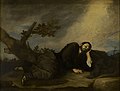
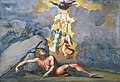
Jacob's dream of a ladder of angels, c. 1690. Michael Willmann

In Judaism, dreams are considered part of the experience of the world that can be interpreted and from which lessons can be garnered. It is discussed in the Talmud, Tractate Berachot 55–60.

The ancient Hebrews connected their dreams heavily with their religion, though the Hebrews were monotheistic and believed that dreams were the voice of one God alone. Hebrews also differentiated between good dreams (from God) and bad dreams (from evil spirits). The Hebrews, like many other ancient cultures, incubated dreams in order to receive a divine revelation. For example, the Hebrew prophet Samuel would "lie down and sleep in the temple at Shiloh before the Ark and receive the word of the Lord", and Joseph interpreted a Pharaoh's dream of seven lean cows swallowing seven fat cows as meaning the subsequent seven years would be bountiful, followed by seven years of famine. Most of the dreams in the Bible are in the Book of Genesis.

Christians mostly shared the beliefs of the Hebrews and thought that dreams were of a supernatural character because the Old Testament includes frequent stories of dreams with divine inspiration. The most famous of these dream stories was Jacob's dream of a ladder that stretches from Earth to Heaven. Many Christians preach that God can speak to people through their dreams. The famous glossary, the Somniale Danielis, written in the name of Daniel, attempted to teach Christian populations to interpret their dreams.

Iain R. Edgar has researched the role of dreams in Islam. He has argued that dreams play an important role in the history of Islam and the lives of Muslims, since dream interpretation is the only way that Muslims can receive revelations from God since the death of the last prophet, Muhammad. According to Edgar, Islam classifies three types of dreams. Firstly, there is the true dream (al-ru’ya), then the false dream, which may come from the devil (shaytan), and finally, the meaningless everyday dream (hulm). This last dream could be brought forth by the dreamer's ego or base appetite based on what they experienced in the real world. The true dream is often indicated by Islam's hadith tradition. In one narration by Aisha, the wife of the Prophet, it is said that the Prophet's dreams would come true like the ocean's waves. Just as in its predecessors, the Quran also recounts the story of Joseph and his unique ability to interpret dreams.

In both Christianity and Islam dreams feature in conversion stories. According to ancient authors, Constantine the Great started his conversion to Christianity because he had a dream which prophesied that he would win the battle of the Milvian Bridge if he adopted the Chi-Rho as his battle standard."

Buddhist

In Buddhism, ideas about dreams are similar to the classical and folk traditions in South Asia. The same dream is sometimes experienced by multiple people, as in the case of the Buddha-to-be, before he is leaving his home. It is described in the Mahāvastu that several of the Buddha's relatives had premonitory dreams preceding this. Some dreams are also seen to transcend time: the Buddha-to-be has certain dreams that are the same as those of previous Buddhas, the Lalitavistara states. In Buddhist literature, dreams often function as a "signpost" motif to mark certain stages in the life of the main character.

Buddhist views about dreams are expressed in the Pāli Commentaries and the Milinda Pañhā.

Other

Dreaming of the Tiger Spring (虎跑夢泉) Statue at Hupao Spring (Hupaomengquan) in Hangzhou, Zhejiang, China

In Chinese history, people wrote of two vital aspects of the soul of which one is freed from the body during slumber to journey in a dream realm, while the other remained in the body. This belief and dream interpretation had been questioned since early times, such as by the philosopher Wang Chong (27–97 CE).

The Babylonians and Assyrians divided dreams into "good," which were sent by the gods, and "bad," sent by demons. A surviving collection of dream omens entitled Iškar Zaqīqu records various dream scenarios as well as prognostications of what will happen to the person who experiences each dream, apparently based on previous cases. Some list different possible outcomes, based on occasions in which people experienced similar dreams with different results. The Greeks shared their beliefs with the Egyptians on how to interpret good and bad dreams, and the idea of incubating dreams. Morpheus, the Greek god of dreams, also sent warnings and prophecies to those who slept at shrines and temples. The earliest Greek beliefs about dreams were that their gods physically visited the dreamers, where they entered through a keyhole, exiting the same way after the divine message was given.

Antiphon wrote the first known Greek book on dreams in the 5th century BCE. In that century, other cultures influenced Greeks to develop the belief that souls left the sleeping body. The father of modern medicine, Hippocrates (460–375 BCE), thought dreams could analyze illness and predict diseases. For instance, a dream of a dim star high in the night sky indicated problems in the head region, while low in the night sky indicated bowel issues. Galen (129–216 AD) believed the same thing. Greek philosopher Plato (427–347 BCE) wrote that people harbor secret, repressed desires, such as incest, murder, adultery, and conquest, which build up during the day and run rampant during the night in dreams. Plato's student, Aristotle (384–322 BCE), believed dreams were caused by processing incomplete physiological activity during sleep, such as eyes trying to see while the sleeper's eyelids were closed. Marcus Tullius Cicero, for his part, believed that all dreams are produced by thoughts and conversations a dreamer had during the preceding days. Cicero's Somnium Scipionis described a lengthy dream vision, which in turn was commented on by Macrobius in his Commentarii in Somnium Scipionis.

Herodotus in his The Histories, writes "The visions that occur to us in dreams are, more often than not, the things we have been concerned about during the day."

The Dreaming is a common term within the animist creation narrative of indigenous Australians for a personal, or group, creation and for what may be understood as the "timeless time" of formative creation and perpetual creating.

Some Indigenous American tribes and Mexican populations believe that dreams are a way of visiting and having contact with their ancestors. Some Native American tribes have used vision quests as a rite of passage, fasting and praying until an anticipated guiding dream was received, to be shared with the rest of the tribe upon their return.

Interpretation

Joseph Interprets Pharaoh's Dream c. 1896–1902. Jacques Joseph Tissot (1836–1902).

Beginning in the late 19th century, Austrian neurologist Sigmund Freud, founder of psychoanalysis, theorized that dreams reflect the dreamer's unconscious mind and specifically that dream content is shaped by unconscious wish fulfillment. He argued that important unconscious desires often relate to early childhood memories and experiences. Carl Jung and others expanded on Freud's idea that dream content reflects the dreamer's unconscious desires.

Dream interpretation can be a result of subjective ideas and experiences. One study found that most people believe that "their dreams reveal meaningful hidden truths". The researchers surveyed students in the United States, South Korea, and India, and found that 74% of Indians, 65% of South Koreans and 56% of Americans believed their dream content provided them with meaningful insight into their unconscious beliefs and desires. This Freudian view of dreaming was believed significantly more than theories of dreaming that attribute dream content to memory consolidation, problem-solving, or as a byproduct of unrelated brain activity. The same study found that people attribute more importance to dream content than to similar thought content that occurs while they are awake. Americans were more likely to report that they would intentionally miss their flight if they dreamt of their plane crashing than if they thought of their plane crashing the night before flying (while awake), and that they would be as likely to miss their flight if they dreamt of their plane crashing the night before their flight as if there was an actual plane crash on the route they intended to take. Participants in the study were more likely to perceive dreams to be meaningful when the content of dreams was in accordance with their beliefs and desires while awake. They were more likely to view a positive dream about a friend to be meaningful than a positive dream about someone they disliked, for example, and were more likely to view a negative dream about a person they disliked as meaningful than a negative dream about a person they liked.

According to surveys, it is common for people to feel their dreams are predicting subsequent life events. Psychologists have explained these experiences in terms of memory biases, namely a selective memory for accurate predictions and distorted memory so that dreams are retrospectively fitted onto life experiences. The multi-faceted nature of dreams makes it easy to find connections between dream content and real events. The term "veridical dream" has been used to indicate dreams that reveal or contain truths not yet known to the dreamer, whether future events or secrets.

In one experiment, subjects were asked to write down their dreams in a diary. This prevented the selective memory effect, and the dreams no longer seemed accurate about the future. Another experiment gave subjects a fake diary of a student with apparently precognitive dreams. This diary described events from the person's life, as well as some predictive dreams and some non-predictive dreams. When subjects were asked to recall the dreams they had read, they remembered more of the successful predictions than unsuccessful ones.

Images and literature

Graphic artists, writers and filmmakers all have found dreams to offer a rich vein for creative expression. In the West, artists' depictions of dreams in Renaissance and Baroque art often were related to Biblical narrative. Especially preferred by visual artists were the Jacob's Ladder dream in Genesis and St. Joseph's dreams in the Gospel according to Matthew.

Many later graphic artists have depicted dreams, including Japanese woodblock artist Hokusai (1760–1849) and Western European painters Rousseau (1844–1910), Picasso (1881–1973), and Dalí (1904–1989).

In literature, dream frames were frequently used in medieval allegory to justify the narrative; The Book of the Duchess and The Vision Concerning Piers Plowman are two such dream visions. Even before them, in antiquity, the same device had been used by Cicero and Lucian of Samosata.

The cheshire cat, John Tenniel (1820–1914), illustration in Alice's Adventures in Wonderland, 1866 edition

Dreams have also featured in fantasy and speculative fiction since the 19th century. One of the best-known dream worlds is Wonderland from Lewis Carroll's Alice's Adventures in Wonderland, as well as Looking-Glass Land from its sequel, Through the Looking-Glass. Unlike many dream worlds, Carroll's logic is like that of actual dreams, with transitions and flexible causality.

In the Eastern world, Water Margin emerges as the first major Chinese novel that consciously uses extensive dream episodes as a literary and aesthetic device, which indirectly influences the writing of A Supplement to the Journey to the West and Dream of the Red Chamber.

Other fictional dream worlds include the Dreamlands of H. P. Lovecraft's Dream Cycle and The Neverending Story's world of Fantastica, which includes places like the Desert of Lost Dreams, the Sea of Possibilities and the Swamps of Sadness. Dreamworlds, shared hallucinations and other alternate realities feature in a number of works by Philip K. Dick, such as The Three Stigmata of Palmer Eldritch and Ubik. Similar themes were explored by Jorge Luis Borges, for instance in The Circular Ruins.

Modern popular culture often conceives of dreams, as did Freud, as expressions of the dreamer's deepest fears and desires. In speculative fiction, the line between dreams and reality may be blurred even more in service to the story. Dreams may be psychically invaded or manipulated (Dreamscape, 1984; the Nightmare on Elm Street films, 1984–2010; Inception, 2010) or even come literally true (as in The Lathe of Heaven, 1971).

Lucidity

Lucid dreaming is the conscious perception of one's state while dreaming. In this state the dreamer may often have some degree of control over their own actions within the dream or even the characters and the environment of the dream. Dream control has been reported to improve with practiced deliberate lucid dreaming, but the ability to control aspects of the dream is not necessary for a dream to qualify as "lucid"—a lucid dream is any dream during which the dreamer knows they are dreaming. The occurrence of lucid dreaming has been scientifically verified.

"Oneironaut" is a term sometimes used for those who lucidly dream.

In 1975, psychologist Keith Hearne successfully recorded a communication from a dreamer experiencing a lucid dream. On April 12, 1975, after agreeing to move his eyes left and right upon becoming lucid, the subject and Hearne's co-author on the resulting article, Alan Worsley, successfully carried out this task. Years later, psychophysiologist Stephen LaBerge conducted similar work including:

  • Using eye signals to map the subjective sense of time in dreams.
  • Comparing the electrical activity of the brain while singing awake and while dreaming.
  • Studies comparing in-dream sex, arousal, and orgasm.

Communication between two dreamers has also been documented. The processes involved included EEG monitoring, ocular signaling, incorporation of reality in the form of red light stimuli and a coordinating website. The website tracked when both dreamers were dreaming and sent the stimulus to one of the dreamers where it was incorporated into the dream. This dreamer, upon becoming lucid, signaled with eye movements; this was detected by the website whereupon the stimulus was sent to the second dreamer, invoking incorporation into that dreamer's dream.

Recollection

Raphael's dream (1821). Johannes Riepenhausen and Franz Riepenhausen.

The recollection of dreams is extremely unreliable, though it is a skill that can be trained. Dreams can usually be recalled if a person is awakened while dreaming. Women tend to have more frequent dream recall than men. Dreams that are difficult to recall may be characterized by relatively little affect, and factors such as salience, arousal, and interference play a role in dream recall. Often, a dream may be recalled upon viewing or hearing a random trigger or stimulus. The salience hypothesis proposes that dream content that is salient, that is, novel, intense, or unusual, is more easily remembered. There is considerable evidence that vivid, intense, or unusual dream content is more frequently recalled. A dream journal can be used to assist dream recall, for personal interest or psychotherapy purposes.

Adults report remembering around two dreams per week, on average. Unless a dream is particularly vivid and if one wakes during or immediately after it, the content of the dream is typically not remembered.

In line with the salience hypothesis, there is considerable evidence that people who have more vivid, intense or unusual dreams show better recall. There is evidence that continuity of consciousness is related to recall. Specifically, people who have vivid and unusual experiences during the day tend to have more memorable dream content and hence better dream recall. People who score high on measures of personality traits associated with creativity, imagination, and fantasy, such as openness to experience, daydreaming, fantasy proneness, absorption, and hypnotic susceptibility, tend to show more frequent dream recall. There is also evidence for continuity between the bizarre aspects of dreaming and waking experience. That is, people who report more bizarre experiences during the day, such as people high in schizotypy (psychosis proneness), have more frequent dream recall and also report more frequent nightmares.

Dream-recording machine

Recording or reconstructing dreams may one day assist with dream recall. Using the permitted non-invasive technologies, functional magnetic resonance imaging (fMRI) and electromyography (EMG), researchers have been able to identify basic dream imagery, dream speech activity and dream motor behavior (such as walking and hand movements).

Miscellany

Illusion of reality

Some philosophers have proposed that what we think of as the "real world" could be or is an illusion (an idea known as the skeptical hypothesis about ontology). The first recorded mention of the idea was in the 4th century BCE by Zhuangzi, and in Eastern philosophy, the problem has been named the "Zhuangzi Paradox."

He who dreams of drinking wine may weep when morning comes; he who dreams of weeping may in the morning go off to hunt. While he is dreaming he does not know it is a dream, and in his dream he may even try to interpret a dream. Only after he wakes does he know it was a dream. And someday there will be a great awakening when we know that this is all a great dream. Yet the stupid believe they are awake, busily and brightly assuming they understand things, calling this man ruler, that one herdsman—how dense! Confucius and you are both dreaming! And when I say you are dreaming, I am dreaming, too. Words like these will be labeled the Supreme Swindle. Yet, after ten thousand generations, a great sage may appear who will know their meaning, and it will still be as though he appeared with astonishing speed.

The idea also is discussed in Hindu and Buddhist writings. It was formally introduced to Western philosophy by Descartes in the 17th century in his Meditations on First Philosophy.

Absent-minded transgression

Dreams of absent-minded transgression (DAMT) are dreams wherein the dreamer absent-mindedly performs an action that he or she has been trying to stop (one classic example is of a quitting smoker having dreams of lighting a cigarette). Subjects who have had DAMT have reported waking with intense feelings of guilt. One study found a positive association between having these dreams and successfully stopping the behavior.

Non-REM dreams

Hypnogogic and hypnopompic dreams, dreamlike states shortly after falling asleep and shortly before awakening, and dreams during stage 2 of NREM-sleep, also occur, but are shorter than REM-dreams.

Daydreams

Dante Meditating, 1852, by Joseph Noel Paton

A daydream is a visionary fantasy, especially one of happy, pleasant thoughts, hopes or ambitions, imagined as coming to pass, and experienced while awake. There are many different types of daydreams, and there is no consistent definition amongst psychologists. The general public also uses the term for a broad variety of experiences. Research by Harvard psychologist Deirdre Barrett has found that people who experience vivid dreamlike mental images reserve the word for these, whereas many other people refer to milder imagery, realistic future planning, review of memories or just "spacing out"—i.e. one's mind going relatively blank—when they talk about "daydreaming".

While daydreaming has long been derided as a lazy, non-productive pastime, it is now commonly acknowledged that daydreaming can be constructive in some contexts. There are numerous examples of people in creative or artistic careers, such as composers, novelists and filmmakers, developing new ideas through daydreaming. Similarly, research scientists, mathematicians and physicists have developed new ideas by daydreaming about their subject areas.

Hallucination

A hallucination, in the broadest sense of the word, is a perception in the absence of a stimulus. In a stricter sense, hallucinations are perceptions in a conscious and awake state, in the absence of external stimuli, and have qualities of real perception, in that they are vivid, substantial, and located in external objective space. The latter definition distinguishes hallucinations from the related phenomena of dreaming, which does not involve wakefulness.

Nightmare

Woman having a nightmare. Jean-Pierre Simon (1764–1810 or 1813).

A nightmare is an unpleasant dream that can cause a strong negative emotional response from the mind, typically fear or horror, but also despair, anxiety and great sadness. The dream may contain situations of danger, discomfort, psychological or physical terror. Sufferers usually awaken in a state of distress and may be unable to return to sleep for a prolonged period of time.

Night terror

A night terror, also known as a sleep terror or pavor nocturnus, is a parasomnia disorder that predominantly affects children, causing feelings of terror or dread. Night terrors should not be confused with nightmares, which are bad dreams that cause the feeling of horror or fear.

Déjà vu

One theory of déjà vu attributes the feeling of having previously seen or experienced something to having dreamed about a similar situation or place, and forgetting about it until one seems to be mysteriously reminded of the situation or the place while awake.

Melatonin

Melatonin is a natural hormone secreted by the brain's pineal gland, inducing nocturnal behaviors in animals and sleep in humans during nighttime. Chemically isolated in 1958, melatonin has been marketed as a sleep aid since the 1990s and is currently sold in the United States as an over-the-counter product requiring no prescription. Anecdotal reports and formal research studies over the past few decades have established a link between melatonin supplementation and more vivid dreams.

Sleep

From Wikipedia, the free encyclopedia
(Redirected from Sleep architecture)
Sleeping Girl, Domenico Fetti, c. 1615

Sleep is a state of reduced mental and physical activity in which consciousness is altered and certain sensory activity is inhibited. During sleep, there is a marked decrease in muscle activity and interactions with the surrounding environment. While sleep differs from wakefulness in terms of the ability to react to stimuli, it still involves active brain patterns, making it more reactive than a coma or disorders of consciousness.

Sleep occurs in repeating periods, during which the body alternates between two distinct modes: rapid eye movement sleep (REM) and non-REM sleep. Although REM stands for "rapid eye movement", this mode of sleep has many other aspects, including virtual paralysis of the body. Dreams are a succession of images, ideas, emotions, and sensations that usually occur involuntarily in the mind during certain stages of sleep.

During sleep, most of the body's systems are in an anabolic state, helping to restore the immune, nervous, skeletal, and muscular systems; these are vital processes that maintain mood, memory, and cognitive function, and play a large role in the function of the endocrine and immune systems. The internal circadian clock promotes sleep daily at night, when it is dark. The diverse purposes and mechanisms of sleep are the subject of substantial ongoing research. Sleep is a highly conserved behavior across animal evolution, likely going back hundreds of millions of years, and originating as a means for the brain to cleanse itself of waste products. Researchers have found that cleansing, including the removal of amyloid, may be a core purpose of sleep.

Humans may suffer from various sleep disorders, including dyssomnias, such as insomnia, hypersomnia, narcolepsy, and sleep apnea; parasomnias, such as sleepwalking and rapid eye movement sleep behavior disorder; bruxism; and circadian rhythm sleep disorders. The use of artificial light has substantially altered humanity's sleep patterns. Common sources of artificial light include outdoor lighting and the screens of digital devices such as smartphones and televisions, which emit large amounts of blue light, a form of light typically associated with daytime. This disrupts the release of the hormone melatonin needed to regulate the sleep cycle.

Physiology

The most pronounced physiological changes in sleep occur in the brain. The brain uses significantly less energy during sleep than it does when awake, especially during non-REM sleep. In areas with reduced activity, the brain restores its supply of adenosine triphosphate (ATP), the molecule used for short-term storage and transport of energy. In quiet waking, the brain is responsible for 20% of the body's energy use, thus this reduction has a noticeable effect on overall energy consumption.

Sleep increases the sensory threshold. In other words, sleeping persons perceive fewer stimuli, but can generally still respond to loud noises and other salient sensory events.

During slow-wave sleep, humans secrete bursts of growth hormone. All sleep, even during the day, is associated with the secretion of prolactin.

Key physiological methods for monitoring and measuring changes during sleep include electroencephalography (EEG) of brain waves, electrooculography (EOG) of eye movements, and electromyography (EMG) of skeletal muscle activity. Simultaneous collection of these measurements is called polysomnography, and can be performed in a specialized sleep laboratory. Sleep researchers also use simplified electrocardiography (EKG) for cardiac activity and actigraphy for motor movements.

Brain waves in sleep

The electrical activity seen on an EEG represents brain waves. The amplitude of EEG waves at a particular frequency corresponds to various points in the sleep-wake cycle, such as being asleep, being awake, or falling asleep. Alpha, beta, theta, gamma, and delta waves are all seen in the different stages of sleep. Each waveform maintains a different frequency and amplitude. Alpha waves are seen when a person is in a resting state, but is still fully conscious. Their eyes may be closed and all of their body is resting and relatively still, where the body is starting to slow down. Beta waves take over alpha waves when a person is at attention, as they might be completing a task or concentrating on something. Beta waves consist of the highest of frequencies and the lowest of amplitude, and occur when a person is fully alert. Gamma waves are seen when a person is highly focused on a task or using all their concentration. Theta waves occur during the period of a person being awake, and they continue to transition into Stage 1 of sleep and in stage 2. Delta waves are seen in stages 3 and 4 of sleep when a person is in their deepest of sleep.

Non-REM and REM sleep

Sleep is divided into two broad types: non-rapid eye movement (non-REM or NREM) sleep and rapid eye movement (REM) sleep. Non-REM and REM sleep are so different that physiologists identify them as distinct behavioral states. Non-REM sleep occurs first and after a transitional period is called slow-wave sleep or deep sleep. During this phase, body temperature and heart rate fall, and the brain uses less energy. REM sleep, also known as paradoxical sleep, represents a smaller portion of total sleep time. It is the main occasion for dreams (or nightmares), and is associated with desynchronized and fast brain waves, eye movements, loss of muscle tone, and suspension of homeostasis.

The sleep cycle of alternate NREM and REM sleep takes an average of 90 minutes, occurring 4–6 times in a good night's sleep. The American Academy of Sleep Medicine (AASM) divides NREM into three stages: N1, N2, and N3, the last of which is also called delta sleep or slow-wave sleep. The whole period normally proceeds in the order: N1 → N2 → N3 → N2 → REM. REM sleep occurs as a person returns to stage 2 or 1 from a deep sleep. There is a greater amount of deep sleep (stage N3) earlier in the night, while the proportion of REM sleep increases in the two cycles just before natural awakening.

Awakening

"The Awakening", an illustration to writing by Leo Tolstoy
Proper Pillow Height and Spinal Alignment During Sleep
Pillow height during side sleeping affects the spine and neck muscles. See Sleep and musculoskeletal health.

Awakening can mean the end of sleep, or simply a moment to survey the environment and readjust body position before falling back asleep. Sleepers typically awaken soon after the end of a REM phase or sometimes in the middle of REM. Internal circadian indicators, along with a successful reduction of homeostatic sleep need, typically bring about awakening and the end of the sleep cycle. Awakening involves heightened electrical activation in the brain, beginning with the thalamus and spreading throughout the cortex.

On a typical night of sleep, there is not much time that is spent in the waking state. In various sleep studies that have been conducted using the electroencephalography, it has been found that females are awake for 0–1% during their nightly sleep while males are awake for 0–2% during that time. In adults, wakefulness increases, especially in later cycles. One study found 3% awake time in the first ninety-minute sleep cycle, 8% in the second, 10% in the third, 12% in the fourth, and 13–14% in the fifth. Most of this awake time occurred shortly after REM sleep.

Today, many humans wake up with an alarm clock; however, people can also reliably wake themselves up at a specific time with no need for an alarm. Many sleep quite differently on workdays versus days off, a pattern which can lead to chronic circadian desynchronization. Many people regularly look at television and other screens before going to bed, a factor which may exacerbate disruption of the circadian cycle. Scientific studies on sleep have shown that sleep stage at awakening is an important factor in amplifying sleep inertia.

Determinants of alertness after waking up include quantity/quality of the sleep, physical activity the day prior, a carbohydrate-rich breakfast, and a low blood glucose response to it.

Timing

Sleep timing is controlled by the circadian clock (Process C), sleep-wake homeostasis (Process S), and to some extent by the individual will.

Circadian clock

The human "biological clock"

Sleep timing depends greatly on hormonal signals from the circadian clock, or Process C, a complex neurochemical system which uses signals from an organism's environment to recreate an internal day–night rhythm. Process C counteracts the homeostatic drive for sleep during the day (in diurnal animals) and augments it at night. The suprachiasmatic nucleus (SCN), a brain area directly above the optic chiasm, is presently considered the most important nexus for this process; however, secondary clock systems have been found throughout the body.

An organism whose circadian clock exhibits a regular rhythm corresponding to outside signals is said to be entrained; an entrained rhythm persists even if the outside signals suddenly disappear. If an entrained human is isolated in a bunker with constant light or darkness, he or she will continue to experience rhythmic increases and decreases of body temperature and melatonin, on a period that slightly exceeds 24 hours. Scientists refer to such conditions as free-running of the circadian rhythm. Under natural conditions, light signals regularly adjust this period downward, so that it corresponds better with the exact 24 hours of an Earth day.

The circadian clock exerts constant influence on the body, affecting sinusoidal oscillation of body temperature between roughly 36.2 °C and 37.2 °C. The suprachiasmatic nucleus itself shows conspicuous oscillation activity, which intensifies during subjective day (i.e., the part of the rhythm corresponding with daytime, whether accurately or not) and drops to almost nothing during subjective night.[35] The circadian pacemaker in the suprachiasmatic nucleus has a direct neural connection to the pineal gland, which releases the hormone melatonin at night. Cortisol levels typically rise throughout the night, peak in the awakening hours, and diminish during the day. Circadian prolactin secretion begins in the late afternoon, especially in women, and is subsequently augmented by sleep-induced secretion, to peak in the middle of the night. Circadian rhythm exerts some influence on the nighttime secretion of growth hormone.

The circadian rhythm influences the ideal timing of a restorative sleep episode. Sleepiness increases during the night. REM sleep occurs more during body temperature minimum within the circadian cycle, whereas slow-wave sleep can occur more independently of circadian time.

The internal circadian clock is profoundly influenced by changes in light, since these are its main clues about what time it is. Exposure to even small amounts of light during the night can suppress melatonin secretion, and increase body temperature and wakefulness. Short pulses of light, at the right moment in the circadian cycle, can significantly 'reset' the internal clock. Blue light, in particular, exerts the strongest effect, leading to concerns that use of a screen before bed may interfere with sleep.

Modern humans often find themselves desynchronized from their internal circadian clock, due to the requirements of work (especially night shifts), long-distance travel, and the influence of universal indoor lighting. Even if they have sleep debt, or feel sleepy, people can have difficulty staying asleep at the peak of their circadian cycle. Conversely, they can have difficulty waking up in the trough of the cycle. A healthy young adult entrained to the sun will (during most of the year) fall asleep a few hours after sunset, experience body temperature minimum at 6 a.m., and wake up a few hours after sunrise.

Process S

Generally speaking, the longer an organism is awake, the more it feels a need to sleep ("sleep debt"). This driver of sleep is referred to as Process S. The balance between sleeping and waking is regulated by a process called homeostasis. Induced or perceived lack of sleep is called sleep deprivation.

Process S is driven by the depletion of glycogen and accumulation of adenosine in the forebrain that disinhibits the ventrolateral preoptic nucleus, allowing for inhibition of the ascending reticular activating system.

Sleep deprivation tends to cause slower brain waves in the frontal cortex, shortened attention span, higher anxiety, impaired memory, and a grouchy mood. Conversely, a well-rested organism tends to have improved memory and mood. Neurophysiological and functional imaging studies have demonstrated that frontal regions of the brain are particularly responsive to homeostatic sleep pressure.

There is disagreement on how much sleep debt is possible to accumulate, and whether sleep debt is accumulated against an individual's average sleep or some other benchmark. It is also unclear whether the prevalence of sleep debt among adults has changed appreciably in the industrialized world in recent decades. Sleep debt does show some evidence of being cumulative. Subjectively, however, humans seem to reach maximum sleepiness 30 hours after waking. It is likely that in Western societies, children are sleeping less than they previously have.

One neurochemical indicator of sleep debt is adenosine, a neurotransmitter that inhibits many of the bodily processes associated with wakefulness. Adenosine levels increase in the cortex and basal forebrain during prolonged wakefulness, and decrease during the sleep-recovery period, potentially acting as a homeostatic regulator of sleep. Coffee, tea, and other sources of caffeine temporarily block the effect of adenosine, prolong sleep latency, and reduce total sleep time and quality.

Social timing

Humans are also influenced by aspects of social time, such as the hours when other people are awake, the hours when work is required, the time on clocks, etc. Time zones, standard times used to unify the timing for people in the same area, correspond only approximately to the natural rising and setting of the sun. An extreme example of the approximate nature of time zones is China, a country which used to span five time zones and now officially uses only one (UTC+8).

Distribution

In polyphasic sleep, an organism sleeps several times in a 24-hour cycle, whereas in monophasic sleep this occurs all at once. Under experimental conditions, humans tend to alternate more frequently between sleep and wakefulness (i.e., exhibit more polyphasic sleep) if they have nothing better to do. Given a 14-hour period of darkness in experimental conditions, humans tended towards bimodal sleep, with two sleep periods concentrated at the beginning and at the end of the dark time. Bimodal sleep in humans was more common before the Industrial Revolution.

Different characteristic sleep patterns, such as the familiarly so-called "early bird" and "night owl", are called chronotypes. Genetics and sex have some influence on chronotype, but so do habits. Chronotype is also liable to change over the course of a person's lifetime. Seven-year-olds are better disposed to wake up early in the morning than are fifteen-year-olds. Chronotypes far outside the normal range are called circadian rhythm sleep disorders.

Naps

Naps are short periods of sleep that one might take during the daytime, often in order to get the necessary amount of rest. Napping is often associated with childhood, but around one-third of American adults partake in it daily. The optimal nap duration is around 10–20 minutes, as researchers have proven that it takes at least 30 minutes to enter slow-wave sleep, the deepest period of sleep. Napping too long and entering the slow wave cycles can make it difficult to awake from the nap and leave one feeling unrested. This period of drowsiness is called sleep inertia.

Man napping in San Cristobal, Peru

The siesta habit has recently been associated with a 37% lower coronary mortality, possibly due to reduced cardiovascular stress mediated by daytime sleep. Short naps at mid-day and mild evening exercise were found to be effective for improved sleep, cognitive tasks, and mental health in elderly people.

Genetics

Monozygotic (identical) but not dizygotic (fraternal) twins tend to have similar sleep habits. Neurotransmitters, molecules whose production can be traced to specific genes, are one genetic influence on sleep that can be analyzed. The circadian clock has its own set of genes. Genes which may influence sleep include ABCC9, DEC2, Dopamine receptor D2 and variants near PAX 8 and VRK2. While the latter have been found in a GWAS study that primarily detects correlations (but not necessarily causation), other genes have been shown to have a more direct effect. For instance, mice lacking dihydropyrimidine dehydrogenase (Dpyd) had 78.4 min less sleep during the lights-off period than wild-type mice. Dpyd encodes the rate-limiting enzyme in the metabolic pathway that catabolizes uracil and thymidine to β-alanine, an inhibitory neurotransmitter. This also supports the role of β-alanine as a neurotransmitter that promotes sleep in mice.

Genes for short sleep duration

This condition is inherited as an autosomal dominant trait.

Familial natural short sleep is a rare, genetic, typically inherited trait where an individual sleeps for fewer hours than average without suffering from daytime sleepiness or other consequences of sleep deprivation. This process is entirely natural in this kind of individual, and it is caused by certain genetic mutations. A person with this trait is known as a "natural short sleeper".

This condition is not to be confused with intentional sleep deprivation, which leaves symptoms such as irritability or temporarily impaired cognitive abilities in people who are predisposed to sleep a normal amount of time but not in people with FNSS.

This sleep type is not considered to be a genetic disorder nor are there any known harmful effects to overall health associated with it; therefore it is considered to be a genetic, benign trait.

The genes DEC2, ADRB1, NPSR1 and GRM1 are implicated in enabling short sleep.

Quality

The quality of sleep may be evaluated from an objective and a subjective point of view. Objective sleep quality refers to how difficult it is for a person to fall asleep and remain in a sleeping state, and how many times they wake up during a single night. Poor sleep quality disrupts the cycle of transition between the different stages of sleep. Subjective sleep quality in turn refers to a sense of being rested and regenerated after awaking from sleep. A study by A. Harvey et al. (2002) found that insomniacs were more demanding in their evaluations of sleep quality than individuals who had no sleep problems.

Homeostatic sleep propensity (the need for sleep as a function of time elapsed since the last adequate sleep episode) must be balanced against the circadian element for satisfactory sleep. Along with corresponding messages from the circadian clock, this tells the body it needs to sleep. The timing is correct when the following two circadian markers occur after the middle of the sleep episode and before awakening: maximum concentration of the hormone melatonin, and minimum core body temperature.

Ideal duration

Centers for Disease Control and Prevention (CDC) recommendations for sleep needed decrease with age.
 
The main health effects of sleep deprivation, indicating impairment of normal maintenance by sleep

Human sleep-needs vary by age and amongst individuals; sleep is considered to be adequate when there is no daytime sleepiness or dysfunction. Moreover, self-reported sleep duration is only moderately correlated with actual sleep time as measured by actigraphy, and those affected with sleep state misperception may typically report having slept only four hours despite having slept a full eight hours.

Researchers have found that sleeping 6–7 hours each night correlates with longevity and cardiac health in humans, though many underlying factors may be involved in the causality behind this relationship.[

Sleep difficulties are furthermore associated with psychiatric disorders such as depression, alcoholism, and bipolar disorder. Up to 90 percent of adults with depression are found to have sleep difficulties. Dysregulation detected by EEG includes disturbances in sleep continuity, decreased delta sleep and altered REM patterns with regard to latency, distribution across the night and density of eye movements. In bipolar disorder, mania is usually associated with a marked decrease in the need for sleep, whereas bipolar depression is usually associated with insomnia or hypersomnia. The circadian rhythms associated with sleep and with other bodily functions are altered in bipolar disorder, even between mood episodes.

Sleep duration can also vary according to season. Up to 90% of people report longer sleep duration in winter, which may lead to more pronounced seasonal affective disorder.

Children

Bronze statue of Eros sleeping, 3rd century BC–early 1st century AD

By the time infants reach the age of two, their brain size has reached 90 percent of an adult-sized brain; a majority of this brain growth has occurred during the period of life with the highest rate of sleep. The hours that children spend asleep influence their ability to perform on cognitive tasks. Children who sleep through the night and have few night waking episodes have higher cognitive attainments and easier temperaments than other children.

Sleep also influences language development. To test this, researchers taught infants a faux language and observed their recollection of the rules for that language. Infants who slept within four hours of learning the language could remember the language rules better, while infants who stayed awake longer did not recall those rules as well. There is also a relationship between infants' vocabulary and sleeping: infants who sleep longer at night at 12 months have better vocabularies at 26 months.

Children can greatly benefit from a structured bedtime routine. This can look differently among families, but will generally consist of a set of rituals such as reading a bedtime story, a bath, brushing teeth, and can also include a show of affection from the parent to the child such as a hug or kiss before bed. A bedtime routine will also include a consistent time that the child is expected to be in bed ready for sleep. Having a reliable bedtime routine can help improve a child's quality of sleep as well as prepare them to make and keep healthy sleep hygiene habits in the future.

World War II poster issued by the US government

Children need many hours of sleep per day in order to develop and function properly: up to 18 hours for newborn babies, with a declining rate as a child ages. Early in 2015, after a two-year study,[94] the National Sleep Foundation in the US announced newly revised recommendations as shown in the table below.

Hours of sleep recommended for each age group
Age and condition Sleep needs
Newborns (0–3 months) 14 to 17 hours
Infants (4–11 months) 12 to 15 hours
Toddlers (1–2 years) 11 to 14 hours
Preschoolers (3–4 years) 10 to 13 hours
School-age children (5–12 years)     9 to 11 hours
Teenagers (13–17 years) 8 to 10 hours
Adults (18–64 years) 7 to 9 hours
Older Adults (65 years and over) 7 to 8 hours

Functions

Restoration

The sleeping brain has been shown to remove metabolic end products at a faster rate than during an awake state, by increasing the flow of cerebrospinal fluid during sleep. The mechanism for this removal appears to be the glymphatic system, a system that does for the brain what the lymphatic system does for the body. Further research has shown that the glymphatic system is driven by pulses of hormones that in turn create surges in blood flow that cause the cerebrospinal fluid to flow, carrying away metabolites.

Sleep may facilitate the synthesis of molecules that help repair and protect the brain from metabolic end products generated during waking. Anabolic hormones, such as growth hormones, are secreted preferentially during sleep. The brain concentration of glycogen increases during sleep, and is depleted through metabolism during wakefulness.

The human organism physically restores itself during sleep, occurring mostly during slow-wave sleep during which body temperature, heart rate, and brain oxygen consumption decrease. In both the brain and body, the reduced rate of metabolism enables countervailing restorative processes. While the body benefits from sleep, the brain actually requires sleep for restoration, whereas these processes can take place during quiescent waking in the rest of the body. The essential function of sleep may be its restorative effect on the brain: "Sleep is of the brain, by the brain and for the brain." Furthermore, this includes almost any brain, no matter how small: sleep is observed to be a necessary behavior across most of the animal kingdom, including some of the least cognitively advanced animals, implying that sleep is essential to the most fundamental brain processes, i.e. neuronal firing. This shows that sleep is vital even when there is no need for other functions of sleep, such as memory consolidation or dreaming.

Memory processing

It has been widely accepted that sleep must support the formation of long-term memory, and generally increasing previous learning and experiences recalls. However, its benefit seems to depend on the phase of sleep and the type of memory. For example, declarative and procedural memory-recall tasks applied over early and late nocturnal sleep, as well as wakefulness controlled conditions, have been shown that declarative memory improves more during early sleep (dominated by SWS) while procedural memory during late sleep (dominated by REM sleep) does so.

With regard to declarative memory, the functional role of SWS has been associated with hippocampal replays of previously encoded neural patterns that seem to facilitate long-term memory consolidation. This assumption is based on the active system consolidation hypothesis, which states that repeated reactivations of newly encoded information in the hippocampus during slow oscillations in NREM sleep mediate the stabilization and gradual integration of declarative memory with pre-existing knowledge networks on the cortical level. It assumes the hippocampus might hold information only temporarily and in a fast-learning rate, whereas the neocortex is related to long-term storage and a slow-learning rate. This dialogue between the hippocampus and neocortex occurs in parallel with hippocampal sharp-wave ripples and thalamo-cortical spindles, synchrony that drives the formation of the spindle-ripple event which seems to be a prerequisite for the formation of long-term memories.

Reactivation of memory also occurs during wakefulness and its function is associated with serving to update the reactivated memory with newly encoded information, whereas reactivations during SWS are presented as crucial for memory stabilization. Based on targeted memory reactivation (TMR) experiments that use associated memory cues to triggering memory traces during sleep, several studies have been reassuring the importance of nocturnal reactivations for the formation of persistent memories in neocortical networks, as well as highlighting the possibility of increasing people's memory performance at declarative recalls.

Furthermore, nocturnal reactivation seems to share the same neural oscillatory patterns as reactivation during wakefulness, processes which might be coordinated by theta activity. During wakefulness, theta oscillations have been often related to successful performance in memory tasks, and cued memory reactivations during sleep have been showing that theta activity is significantly stronger in subsequent recognition of cued stimuli as compared to uncued ones, possibly indicating a strengthening of memory traces and lexical integration by cuing during sleep. However, the beneficial effect of TMR for memory consolidation seems to occur only if the cued memories can be related to prior knowledge.

Dreaming

Dreams often feel like waking life, yet with added surrealism.

During sleep, especially REM sleep, humans tend to experience dreams. These are elusive and mostly unpredictable first-person experiences which seem logical and realistic to the dreamer while they are in progress, despite their frequently bizarre, irrational, and/or surreal qualities that become apparent when assessed after waking. Dreams often seamlessly incorporate concepts, situations, people, and objects within a person's mind that would not normally go together. They can include apparent sensations of all types, especially vision and movement.

Dreams tend to rapidly fade from memory after waking. Some people choose to keep a dream journal, which they believe helps them build dream recall and facilitate the ability to experience lucid dreams.

A lucid dream is a type of dream in which the dreamer becomes aware that they are dreaming while dreaming. In a preliminary study, dreamers were able to consciously communicate with experimenters via eye movements or facial muscle signals, and were able to comprehend complex questions and use working memory.

People have proposed many hypotheses about the functions of dreaming. Sigmund Freud postulated that dreams are the symbolic expression of frustrated desires that have been relegated to the unconscious mind, and he used dream interpretation in the form of psychoanalysis in attempting to uncover these desires.

Counterintuitively, penile erections during sleep are not more frequent during sexual dreams than during other dreams. The parasympathetic nervous system experiences increased activity during REM sleep which may cause erection of the penis or clitoris. In males, 80% to 95% of REM sleep is normally accompanied by partial to full penile erection, while only about 12% of men's dreams contain sexual content.

Disorders

Insomnia

Insomnia is a general term for difficulty falling asleep and/or staying asleep. Insomnia is the most common sleep problem, with many adults reporting occasional insomnia, and 10–15% reporting a chronic condition. Insomnia can have many different causes, including psychological stress, a poor sleep environment, an inconsistent sleep schedule, or excessive mental or physical stimulation in the hours before bedtime. Insomnia is often treated through behavioral changes like keeping a regular sleep schedule, avoiding stimulating or stressful activities before bedtime, and cutting down on stimulants such as caffeine. The sleep environment may be improved by installing heavy drapes to shut out all sunlight, and keeping computers, televisions, and work materials out of the sleeping area.

A 2010 review of published scientific research suggested that exercise generally improves sleep for most people, and helps sleep disorders such as insomnia. The optimum time to exercise may be 4 to 8 hours before bedtime, though exercise at any time of day is beneficial, with the exception of heavy exercise taken shortly before bedtime, which may disturb sleep. However, there is insufficient evidence to draw detailed conclusions about the relationship between exercise and sleep. Nonbenzodiazepine sleeping medications such as Ambien, Imovane, and Lunesta (also known as "Z-drugs"), while initially believed to be entirely better and safer than earlier generations of sedativesin­clud­ing benzodiazepine drugsare now known to be similar in more ways than thought. White noise appears to be a promising treatment for insomnia.

Sleep health

Sleep duration and quality

Sleep duration measures the length of sleep, whereas sleep quality includes factors such as speed in falling asleep and whether sleep is unbroken. Adequate quality sleep is linked with better mood and the abilities to express and quickly process emotion.

Low quality sleep has been linked with health conditions like cardiovascular disease, obesity, and mental illness. While poor sleep is common among those with cardiovascular disease, some research indicates that poor sleep can be a contributing cause. Short sleep duration of less than seven hours is correlated with coronary heart disease and increased risk of death from coronary heart disease. Sleep duration greater than nine hours is also correlated with coronary heart disease, as well as stroke and cardiovascular events.

In both children and adults, short sleep duration is associated with an increased risk of obesity, with various studies reporting an increased risk of 45–55%. Other aspects of sleep health have been associated with obesity, including daytime napping, sleep timing, the variability of sleep timing, and low sleep efficiency. However, sleep duration is the most-studied for its impact on obesity.

Sleep problems have been frequently viewed as a symptom of mental illness rather than a causative factor. However, a growing body of evidence suggests that they are both a cause and a symptom of mental illness. Insomnia is a significant predictor of major depressive disorder; a meta-analysis of 170,000 people showed that insomnia at the beginning of a study period indicated a more than the twofold increased risk for major depressive disorder. Some studies have also indicated correlation between insomnia and anxiety, post-traumatic stress disorder, and suicide. Sleep disorders can increase the risk of psychosis and worsen the severity of psychotic episodes.

Sleep research also displays differences in race and class. Short sleep and poor sleep are observed more frequently in ethnic minorities than in whites in the US. African-Americans report experiencing short durations of sleep five times more often than whites, possibly as a result of social and environmental factors. A study done in the USA suggested that higher rates of sleep apnea (and poorer responses to treatment) are suffered by children in disadvantaged neighborhoods (which, in context, includes a disproportionate effect on children of African-American descent).

Sleep hygiene

Sleep health can be improved through implementing good sleep hygiene habits. Having good sleep hygiene can help to improve your physical and mental health by providing your body with the necessary rejuvenation only restful sleep can provide. Some ways to improve sleep health include going to sleep at consistent times every night, avoiding any electronic devices such as televisions in the bedroom, getting adequate exercise throughout your day, and avoiding caffeine in the hours before going to sleep. Another way to greatly improve sleep hygiene is by creating a peaceful and relaxing sleep environment. Sleeping in a dark and clean room with things like a white noise maker can help facilitate restful sleep. However, noise, with the exception of white noise, may not be good for sleep.

Sleep and musculoskeletal health

Many studies have linked sleep posture, and the characteristics of pillows and mattresses, with back and neck pain.

Sleeping in the prone position has been found to place stress on the spine and may cause back pain, whereas sleeping on the back or on the side can provide relief. Similarly, sleeping on the back or side is also recommended to prevent neck pain.

To prevent neck pain, side sleepers are advised to adjust the height of their pillow so that the spine remains straight, without tilting to the right or left. In one study, precise pillow-height adjustment using the SSS-8 questionnaire significantly reduced pain in half of the patients suffering from neck pain. In addition, people with neck pain are often advised to use a supplementary pillow or rolled towel to support the neck.

When sleeping on the side, experts recommend placing a pillow between the knees to keep the legs aligned and prevent rotation of the spine.

Compared to sleeping on the back, side sleeping has been reported to help reduce heartburn, sleep apnea, and back pain, whereas sleeping on the back may help alleviate hip pain, teeth grinding, and neck pain. Furthermore, when comparing right- versus left-side sleeping, right-side sleep has been found to improve overall sleep quality, while left-side sleep may help reduce heartburn.

Mattresses and pillows also influence sleep quality and overall health. A medium-firm to firm mattress has been found to be most effective in preventing back pain and improving sleep quality. Latex pillows have been shown to be effective in reducing neck pain.

Physicians also recommend performing muscle-stretching exercises upon waking and engaging in stretching and relaxation routines before sleep to help alleviate muscle pain.

Drugs and diet

Drugs which induce sleep, known as hypnotics, include benzodiazepines (although these interfere with REM); nonbenzodiazepine hypnotics such as eszopiclone (Lunesta), zaleplon (Sonata), and zolpidem (Ambien); antihistamines such as diphenhydramine (Benadryl) and doxylamine; alcohol (ethanol), (which exerts an excitatory rebound effect later in the night and intereferes with REM) barbiturates (which have the same problem), melatonin (a component of the circadian clock) and cannabis (which may also interfere with REM). Some opioids (including morphine, codeine, heroin, and oxycodone) also induce sleep, and can disrupt sleep architecture and sleep stage distribution. The endogenously produced drug gamma-hydroxybutyrate (GHB) is capable of producing high quality sleep that is indistinguishable from natural sleep architecture in humans.

Stimulants, which inhibit sleep, include caffeine, an adenosine antagonist; amphetamine, methamphetamine, MDMA, empathogen-entactogens, and related drugs; cocaine, which can alter the circadian rhythm, and methylphenidate, which acts similarly; and eugeroic drugs like modafinil and armodafinil with poorly understood mechanisms. Consuming high amounts of the stimulant caffeine can result in interrupted sleep patterns and sometimes sleep deprivation. This vicious cycle can result in drowsiness which can then result in a higher consumption of caffeine in order to stay awake the next day. This cycle can lead to decreased cognitive function and an overall feeling of fatigue.

Some drugs may alter sleep architecture without inhibiting or inducing sleep. Drugs that amplify or inhibit endocrine and immune system secretions associated with certain sleep stages have been shown to alter sleep architecture. The growth hormone releasing hormone receptor agonist MK-677 has been shown to increase REM in older adults as well as stage IV sleep in younger adults by approximately 50%.

Diet

Dietary and nutritional choices may affect sleep duration and quality. One 2016 review indicated that a high-carbohydrate diet promoted a shorter onset to sleep and a longer duration of sleep than a high-fat diet. A 2012 investigation indicated that mixed micronutrients and macronutrients are needed to promote quality sleep. A varied diet containing fresh fruits and vegetables, low saturated fat, and whole grains may be optimal for individuals seeking to improve sleep quality. Epidemiological studies indicate fewer insomnia symptoms and better sleep quality with a Mediterranean diet. Two studies have indicated a benefit of tart cherry juice for insomnia, or for increasing sleep efficiency as well as total sleep time. High-quality clinical trials on long-term dietary practices are needed to better define the influence of diet on sleep quality.

In culture

Anthropology

The Land of Cockaigne by Pieter Bruegel the Elder, 1567

Research suggests that sleep patterns vary significantly across cultures. The most striking differences are observed between societies that have plentiful sources of artificial light and ones that do not. The primary difference appears to be that pre-light cultures have more broken-up sleep patterns. For example, people without artificial light might go to sleep far sooner after the sun sets, but then wake up several times throughout the night, punctuating their sleep with periods of wakefulness, perhaps lasting several hours. During pre-industrial Europe, biphasic (bimodal) sleeping was considered the norm. Sleep onset was determined not by a set bedtime, but by whether there were things to do.

The boundaries between sleeping and waking are blurred in these societies. Some observers believe that nighttime sleep in these societies is most often split into two main periods, the first characterized primarily by deep sleep and the second by REM sleep.

Some societies display a fragmented sleep pattern in which people sleep at all times of the day and night for shorter periods. In many nomadic or hunter-gatherer societies, people sleep on and off throughout the day or night depending on what is happening. Plentiful artificial light has been available in the industrialized West since at least the mid-19th century, and sleep patterns have changed significantly everywhere that lighting has been introduced. In general, people sleep in a more concentrated burst through the night, going to sleep much later, although this is not always the case.

Historian A. Roger Ekirch thinks that the traditional pattern of "segmented sleep," as it is called, began to disappear among the urban upper class in Europe in the late 17th century and the change spread over the next 200 years; by the 1920s "the idea of a first and second sleep had receded entirely from our social consciousness." Ekirch attributes the change to increases in "street lighting, domestic lighting and a surge in coffee houses," which slowly made nighttime a legitimate time for activity, decreasing the time available for rest. Today in most societies people sleep during the night, but in very hot climates they may sleep during the day. During Ramadan, many Muslims sleep during the day rather than at night.

In some societies, people sleep with at least one other person (sometimes many) or with animals. In other cultures, people rarely sleep with anyone except for an intimate partner. In almost all societies, sleeping partners are strongly regulated by social standards. For example, a person might only sleep with the immediate family, the extended family, a spouse or romantic partner, children, children of a certain age, children of a specific gender, peers of a certain gender, friends, peers of equal social rank, or with no one at all. Sleep may be an actively social time, depending on the sleep groupings, with no constraints on noise or activity.

People sleep in a variety of locations. Some sleep directly on the ground; others on a skin or blanket; others sleep on platforms or beds. Some sleep with blankets, some with pillows, some with simple headrests, some with no head support. These choices are shaped by a variety of factors, such as climate, protection from predators, housing type, technology, personal preference, and the incidence of pests.

In mythology and literature

Medieval manuscript illumination from the Menologion of Basil II (985 AD), showing the Seven Sleepers of Ephesus sleeping in their cave

Sleep has been seen in culture as similar to death since antiquity; in Greek mythology, Hypnos (the god of sleep) and Thanatos (the god of death) were both said to be the children of Nyx (the goddess of night). John Donne, Samuel Taylor Coleridge, Percy Bysshe Shelley, John Keats and other poets have all written poems about the relationship between sleep and death. Shelley describes them as "both so passing, strange and wonderful!" Keats similarly poses the question: "Can death be sleep, when life is but a dream". Many people consider dying in one's sleep is the most peaceful way to die. Phrases such as "big sleep" and "rest in peace" are often used in reference to death, possibly in an effort to lessen its finality. Sleep and dreaming have sometimes been seen as providing the potential for visionary experiences. In medieval Irish tradition, in order to become a filí, the poet was required to undergo a ritual called the imbas forosnai, in which they would enter a mantic, trancelike sleep.

Many cultural stories have been told about people falling asleep for extended periods of time. The earliest of these stories is the ancient Greek legend of Epimenides of Knossos. According to the biographer Diogenes Laërtius, Epimenides was a shepherd on the Greek island of Crete. One day, one of his sheep went missing and he went out to look for it, but became tired and fell asleep in a cave under Mount Ida. When he awoke, he continued searching for the sheep, but could not find it, so he returned to his old farm, only to discover that it was now under new ownership. He went to his hometown, but discovered that nobody there knew him. Finally, he met his younger brother, who was now an old man, and learned that he had been asleep in the cave for fifty-seven years.

A far more famous instance of a "long sleep" today is the Christian legend of the Seven Sleepers of Ephesus, in which seven Christians flee into a cave during pagan times in order to escape persecution, but fall asleep and wake up 360 years later to discover, to their astonishment, that the Roman Empire is now predominantly Christian. The American author Washington Irving's short story "Rip Van Winkle", first published in 1819 in his collection of short stories The Sketch Book of Geoffrey Crayon, Gent., is about a man in colonial America named Rip Van Winkle who falls asleep on one of the Catskill Mountains and wakes up twenty years later after the American Revolution. The story is now considered one of the greatest classics of American literature.

In studies on consciousness and philosophy

As an altered state of consciousness, dreamless deep sleep has been used as a way to investigate animal/human consciousness and qualia. Insights about differences of the living sleeping brain to its wakeful state and the transition period may have implications for potential explanations of human subjective experience, the so-called hard problem of consciousness, often delegated to the realm of philosophy, including neurophilosophy (or in some cases to religion and similar approaches).

In art

Of the thematic representations of sleep in art, physician and sleep researcher Meir Kryger wrote, "[Artists] have intense fascination with mythology, dreams, religious themes, the parallel between sleep and death, reward, abandonment of conscious control, healing, a depiction of innocence and serenity, and the erotic.

Organic chemistry

From Wikipedia, the free encyclopedia https://en.wikipedia.org/wiki/Organic_chemistry     ...